Introduction
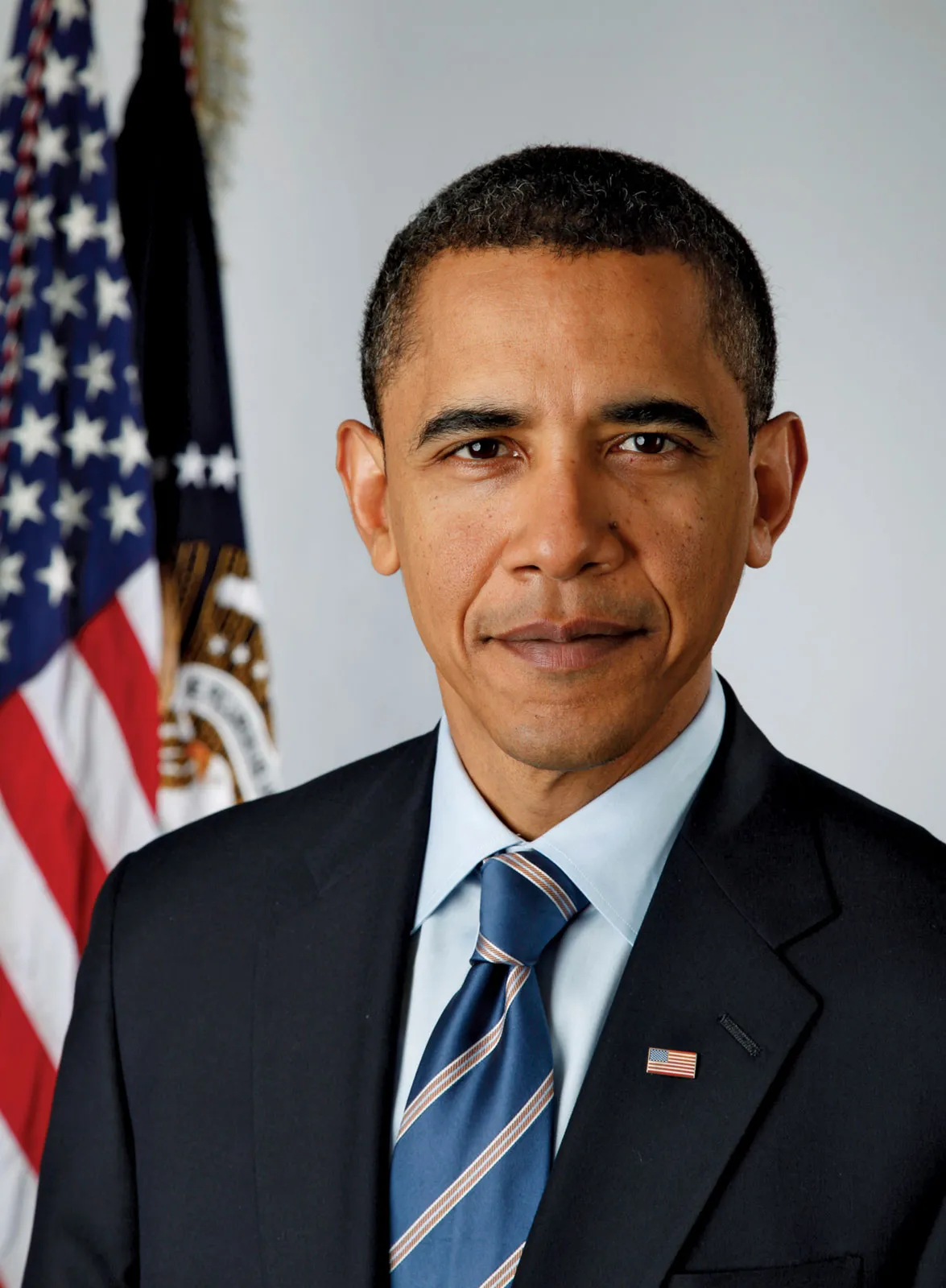
Barack Obama, the 44th President of the United States, served two terms from 2009 to 2017. His presidency marked a significant moment in U.S. history, as he was the first African American to hold this office. Obama’s policies and approach to governance have had lasting impacts on American politics, culture, and international relations, making his legacy a vital topic of discussion as the country navigates current challenges.
Key Achievements and Policies
During his presidency, Obama achieved several major legislative victories. The Affordable Care Act (ACA), often referred to as Obamacare, expanded healthcare coverage to millions of Americans and aimed to reduce healthcare costs. His administration also focused on economic recovery following the 2008 financial crisis, implementing stimulus measures that helped to boost job growth and stabilize the economy.
Internationally, Obama was known for his diplomatic approach, highlighted by the Iran nuclear deal and the Paris Climate Agreement. These initiatives underscored his commitment to multilateralism and addressing global issues such as climate change and nuclear proliferation, contrasting with the more unilateral approach of previous administrations.
Challenges and Criticisms
Despite his accomplishments, Obama faced significant challenges and criticisms during and after his presidency. The ACA was met with fierce opposition, leading to ongoing debates about healthcare in America. Additionally, while Obama made strides in foreign relations, critics argue that certain military interventions, such as in Libya, were controversial and yielded complex outcomes. Moreover, the rise of political polarization during his tenure has had lasting effects on the political landscape.
Current Influence and Future Outlook
Since leaving office, Barack Obama has maintained an active presence in the political sphere. He has been a vocal advocate for civic engagement and voter participation, underscoring the importance of democracy. His memoir, “A Promised Land,” and the development of the Obama Foundation aim to inspire new generations of leaders and promote social change.
As the U.S. approaches the next presidential election, Obama’s influence remains significant, especially among younger voters and the Democratic Party. His continuing advocacy for key issues, such as climate change and social justice, illustrates his enduring relevance in contemporary discussions about the future of America.
Conclusion
Barack Obama’s presidency was a pivotal era that reshaped many aspects of American life and politics. As discussions about his legacy continue, it is clear that his achievements, challenges, and ongoing influence will remain important as future generations navigate the complexities of governance and civic responsibility. The significance of his time in office provides valuable lessons and reflections for both current and future leaders.