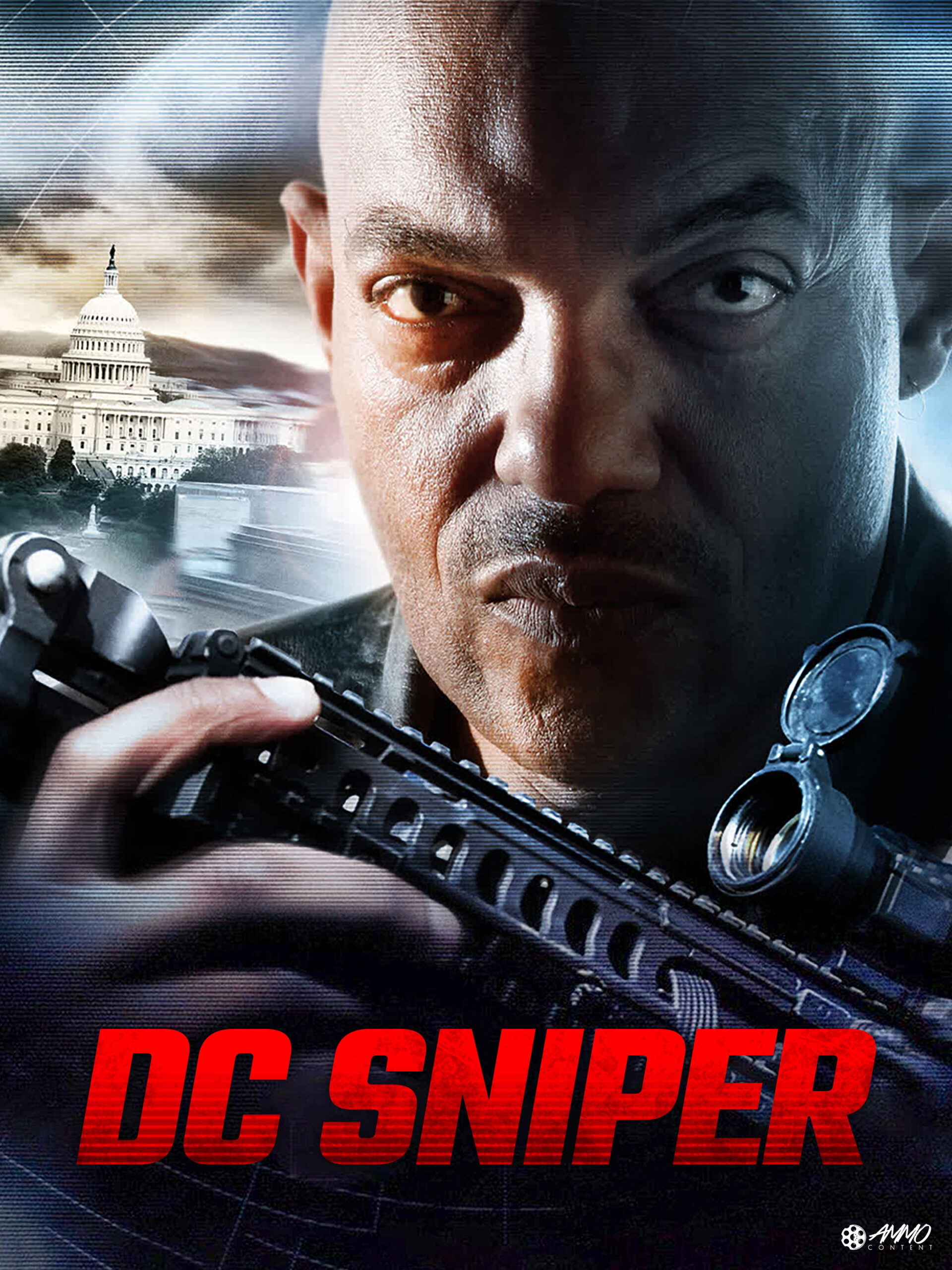
Introduction
The DC Sniper attacks in 2002 remain one of the most chilling events in American history, capturing the attention of the nation and sparking widespread fear. Over a 23-day period, the coordinated shooting spree across the Washington D.C. metropolitan area claimed the lives of 10 individuals and left three others critically injured. This harrowing episode raised critical discussions about public safety, gun control, and the psychology of criminals.
The Attacks
The attacks began on October 2, 2002, and continued until October 24, 2002, sending residents into a state of panic. The shooters, John Allen Muhammad and Lee Boyd Malvo, used a sniper rifle to target unsuspecting victims in parking lots, gas stations, and even schools. The randomness of the attacks contributed to a pervasive sense of vulnerability, as citizens were unsure of where or when the next shot could come.
Law enforcement agencies scrambled to respond, employing a vast array of resources, including FBI agents and local police, to track down the shooters. The investigation took a turn when the shooters made a series of taunting phone calls to the police, further complicating the manhunt.
The Arrest and Trial
On October 24, police arrested Muhammad and Malvo in a traffic stop in Maryland, bringing an end to the attacks. The trial of John Allen Muhammad began in 2003, resulting in his conviction and subsequent execution in 2009. Malvo, a minor at the time of the killings, was sentenced to life in prison without parole, and his case has been the subject of numerous appeals questioning the constitutionality of the sentencing of minors to life imprisonment.
Impact on Society
The DC Sniper attacks had a profound impact on American society. It not only highlighted vulnerabilities in public safety but also prompted significant discussions around gun control and the mental health of offenders. Following the attacks, many communities implemented increased security measures in public spaces, and law enforcement agencies reviewed their strategies for handling such unpredictable threats.
The attacks also brought about a shift in how media covered crime-related events, highlighting the balance between public information and the potential for copycat crimes.
Conclusion
The legacy of the DC Sniper attacks persists in various areas of American life, influencing policies on safety and law enforcement practices. As cities continue to grapple with issues of gun violence, the story of the DC Snipers serves as a haunting reminder of the unpredictability of such tragedies. As we remember the victims and their families, it’s essential to consider how to mitigate risks and improve public safety in a complex and often dangerous world.