Introduction
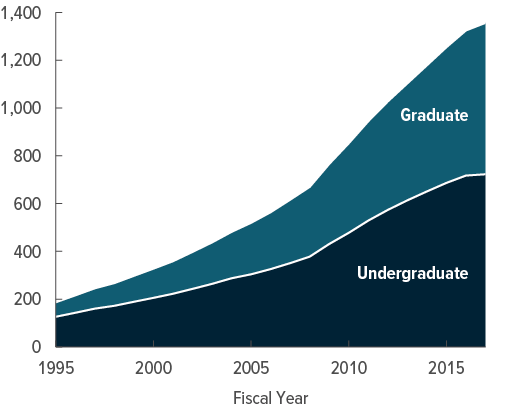
Federal student loan debt has become a prominent issue in the United States, affecting millions of graduates and current students. As of 2023, the total amount of federal student loan debt exceeds $1.7 trillion, causing widespread concern about economic implications and the financial future of borrowers. With recent legislative updates, court rulings, and ongoing discussions about loan forgiveness, understanding the current landscape of student loan debt is essential for students, educators, and policymakers.
Current Developments
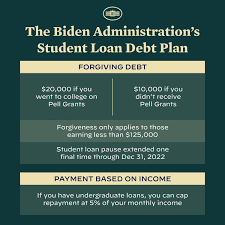
The Biden administration has been actively working to address the growing concern of student loan debt through various proposals aimed at providing relief to borrowers. Recently, the Department of Education announced new measures to simplify repayment plans and provide targeted loan forgiveness. One significant initiative is the expansion of the Public Service Loan Forgiveness (PSLF) program, which allows borrowers working in public service sectors to have their loans forgiven after a specific number of qualifying payments.
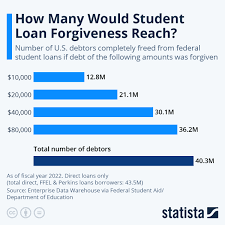
In the Supreme Court’s recent ruling, it upheld a lower court’s decision to block the administration’s broader student loan forgiveness plan that aimed to cancel up to $20,000 in debt for eligible borrowers. This setback has left many wondering about the future of any mass forgiveness initiatives. Nevertheless, the administration has urged borrowers to remain proactive in managing their payments and understanding their options.
Impact on Borrowers
The fluctuations in policy surrounding federal student loan debt have a direct impact on millions of borrowers, many of whom are now facing the challenges of repayment after a long pause due to the COVID-19 pandemic. As the pause on student loan payments officially ended in September 2023, borrowers must now navigate the complexities of repayment amidst rising interest rates and inflation.
The financial burden of student loans can also influence life decisions such as home ownership, starting a family, or investing in retirement plans. A recent survey indicated that about 40% of borrowers are deferring major life events due to their student debt. Economists warn that this trend could have broader repercussions on economic growth and spending patterns across the nation.
Conclusion
As federal student loan debt continues to shape the financial landscape for millions of Americans, it remains at the forefront of national conversation. Ongoing changes in legislation, judicial decisions, and administrative policies play a critical role in both short-term and long-term solutions for borrowers. Moving forward, it is crucial for students and graduates to stay informed about their rights and options regarding student loans. The situation remains fluid, and ongoing advocacy efforts aim to create a more equitable educational financing system that protects future generations from the burdens of overwhelming debt.