Introduction
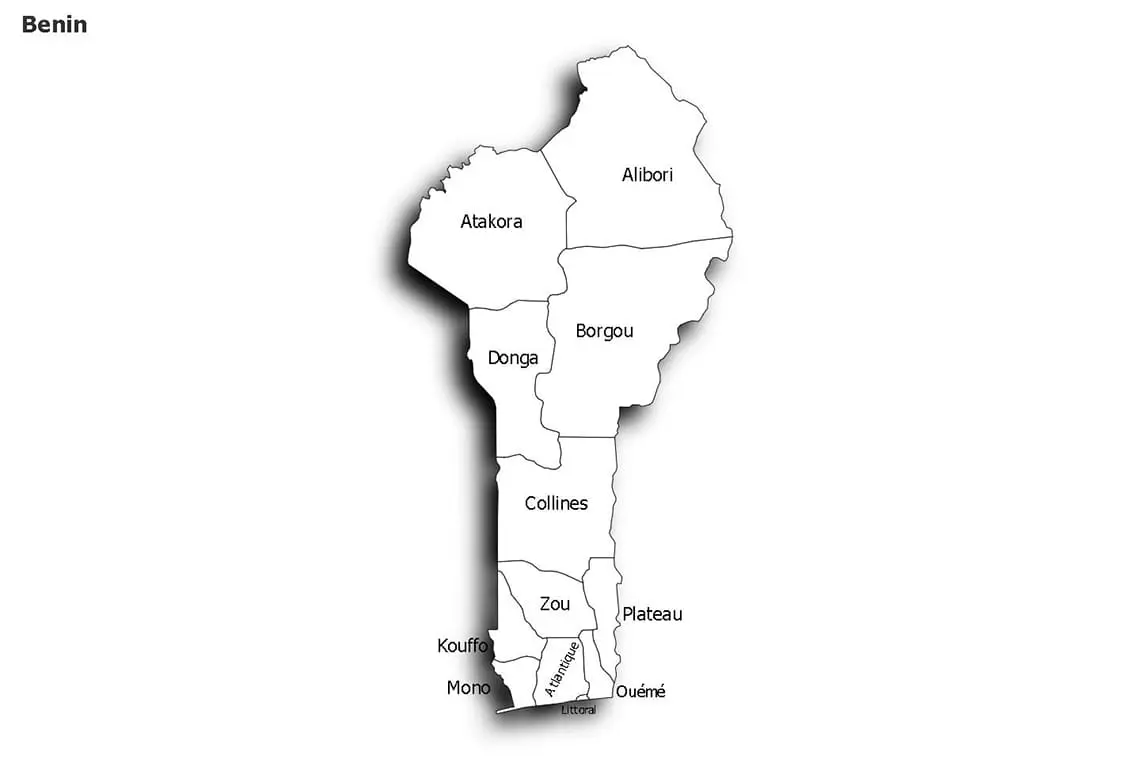
Benin, a small West African country, is significant not only for its rich history and diverse culture but also for its emerging economic potential. With a strategic location along the Gulf of Guinea and its status as a former center of the powerful Dahomey Kingdom, Benin offers a unique blend of traditions and contemporary developments that attract travelers, historians, and investors alike.
History and Culture
Benin’s historical significance is exemplified by its role in the transatlantic slave trade and its rich traditions that include voodoo practices, music, and dance. The country is home to the ancient city of Abomey, once the capital of the Dahomey Kingdom, which is now a UNESCO World Heritage site. Festivals such as the Voodoo Festival celebrated in January showcase the cultural vibrancy and attracts thousands of visitors, both local and international.
Economy and Development
In recent years, Benin has made strides in improving its economy, primarily driven by its agriculture sector, which employs over 70% of the population. Cotton is the main cash crop, and Benin is one of Africa’s largest cotton producers. The government is also focused on developing its infrastructure, notably the port of Cotonou, which is crucial for trade in the region.
In 2023, the government launched initiatives aimed at boosting tourism, aiming to increase the sector’s contribution to the GDP. With investments in hospitality and transport, Benin is positioning itself as a key player in West African tourism.
Conclusion
As Benin continues to develop its economy while preserving its rich cultural heritage, it presents a compelling case for both tourism and investment. The country’s commitment to growth, coupled with its cultural richness, makes it an exciting destination for those seeking to engage with both history and contemporary African development.