Introduction
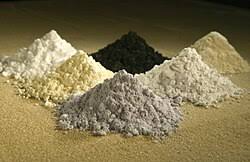
Rare earth minerals, a group of 17 elements including lithium, neodymium, and dysprosium, have become increasingly vital in the 21st century due to their extensive applications in technology, renewable energy, and national defense. With the global demand for clean energy technologies and electronic devices surging, understanding the importance and implications of rare earth minerals is critical for economic growth and environmental sustainability.
Current Trends in the Rare Earth Minerals Market
The global market for rare earth minerals has seen significant growth as industries strive to meet the rising demand for electric vehicles (EVs), smartphones, and advanced military equipment. According to a report by Fortune Business Insights, the rare earth elements market was valued at approximately $9.0 billion in 2021 and is expected to reach $22.4 billion by 2028, growing at a compound annual growth rate (CAGR) of about 14.1%.
China remains the dominant player, accounting for about 60% of the world’s supply of rare earth minerals. However, geopolitical tensions and supply chain vulnerabilities, especially highlighted during the COVID-19 pandemic, have prompted countries like the United States, Australia, and Canada to seek alternative sources and develop domestic mining operations.
Applications of Rare Earth Minerals
Rare earth minerals play a crucial role in various industries. For instance, neodymium is essential for the production of powerful magnets used in EV motors and wind turbines, while lithium is a key component in lithium-ion batteries, powering everything from smartphones to electric cars. Moreover, mineral elements like terbium and europium are significant for manufacturing phosphors that enable LED lighting and screens.
Additionally, rare earth elements contribute to national defense applications, including in advanced radar systems, missile guidance, and telecommunications equipment. As military technologies become more dependent on advanced materials, the strategic importance of securing a stable supply chain for these minerals is growing.
Conclusion
The significance of rare earth minerals cannot be overstated as their applications continue to expand in an increasingly technology-driven world. Countries are recognizing the strategic implications associated with reliance on a limited number of suppliers, leading to initiatives aimed at diversifying sources and boosting domestic production. In the context of transitioning towards greener technologies, channeling investments into rare earth mineral exploration and processing will be paramount. Looking ahead, the sustainable management and ethical sourcing of these essential resources will be crucial in minimizing environmental impact while supporting innovation and economic stability.