Introduction to Urban Alchemy
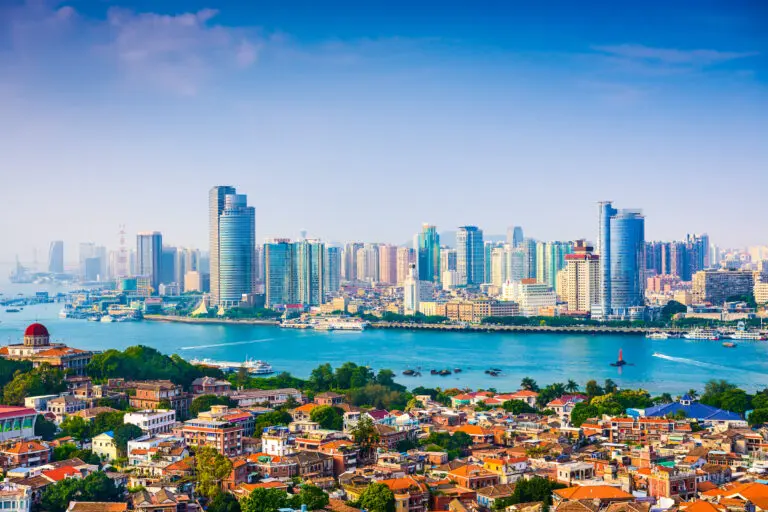
Urban alchemy is an innovative approach that seeks to transform urban spaces into more sustainable, functional, and aesthetically pleasing environments. As cities worldwide grapple with rapid urbanization, climate change, and social inequality, urban alchemy emerges as a vital concept to enhance the livability of urban areas. This transformative practice blends art, science, and community engagement to reclaim and repurpose spaces for public use, drawing attention from urban planners, policymakers, and citizens alike.
The Principles of Urban Alchemy
The essence of urban alchemy lies in its core principles, which include revitalization, inclusivity, and sustainability. Revitalization focuses on breathing new life into neglected areas, such as abandoned buildings and underutilized lots, through adaptive reuse and creative projects. Inclusivity ensures that the diverse voices of communities are heard during the design process, allowing for solutions that address the specific needs of all residents. Sustainability emphasizes eco-friendly practices that consider long-term impacts on the environment and local ecosystems.
Case Studies in Urban Alchemy
Several cities have embraced the concept of urban alchemy with transformative results:
- The High Line, New York City: Once an abandoned railway, the High Line has been transformed into a vibrant park that integrates art and nature, providing a communal space for residents and visitors.
- The 606, Chicago: This former railway corridor has been repurposed into a multi-use recreational path that promotes physical activity, boosts local businesses, and connects neighborhoods.
- Parque Biblioteca España, Medellín: In a city marked by violence, this public library space was designed to promote education and community engagement, changing perceptions and improving safety in the surrounding area.
The Future of Urban Alchemy
As we look to the future, the importance of urban alchemy cannot be overstated. The COVID-19 pandemic has further highlighted the need for resilient and adaptable urban spaces. As cities recover and rebuild, urban alchemy can guide the process of creating environments that prioritize public health, community well-being, and economic stability.
Conclusion
Urban alchemy represents a movement towards reimagining our cities. By fostering collaboration among diverse stakeholders and embracing sustainable practices, cities can transform into inclusive and vibrant hubs for everyone. The potential for urban alchemy is immense; as more cities adopt these transformative strategies, the vision of sustainable urban living becomes increasingly feasible, encouraging a future where community and environment coexist harmoniously.