Introduction: The Significance of Toys R Us
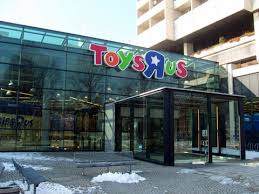
Toys R Us, a name synonymous with childhood for decades, recently made headlines with its resurgence in the retail sector. Following its bankruptcy in 2018, the beloved toy retailer captured the attention of parents and children alike, representing nostalgia and the joys of play. The return of Toys R Us is not just a win for loyal customers; it also highlights the evolving landscape of retail and challenges faced by traditional toy stores in a digital age.
The Revival: What’s Different This Time?
In October 2021, Toys R Us reemerged with a new concept, setting up shop within Macy’s department stores across the United States. This partnership allows Toys R Us to leverage Macy’s expansive foot traffic while offering a curated selection of toys that cater to various age groups and interests. With popular brands and exclusive product lines, the new Toys R Us aims to revitalize the in-store shopping experience, emphasizing hands-on play and interactive displays, which were Hallmarks of its original outlets.
The new strategy also includes an online presence on Macy’s website, merging their e-commerce strength with Toys R Us’ iconic branding. Customers can now enjoy the ease of online shopping while still celebrating the nostalgia of Toys R Us. This hybrid approach seeks to meet the demands of modern shopping habits, especially in light of shifting consumer behaviors due to the pandemic.
Market Impact and Industry Response
The resurgence of Toys R Us has stirred responses within the retail community. Competitors are closely monitoring the developments, especially as the toy industry continues to grow significantly. According to The NPD Group, U.S. toy sales surged to approximately $25 billion in 2022, reflecting an increase even after the pandemic-induced disruptions. As a result, other retailers are expected to enhance their toy offerings and customer experience.
Furthermore, the renewed store concept aims to bridge the gap between digital and physical shopping experiences. It also prompts other retailers to think creatively about utilizing physical spaces for engaging and interactive experiences rather than solely for conventional sales.
Conclusion: The Future of Toys R Us
The revival of Toys R Us signifies not only the importance of nostalgia in consumer behavior but also the adaptability and resilience of traditional retail in the face of evolving market trends. As Toys R Us reestablishes its brand and caters to modern shoppers’ expectations, it will be crucial to observe how the new model performs during peak shopping seasons like holidays. Readers can expect to see more innovations in how toys are marketed and sold, as the retail landscape continues to shift.