Introduction
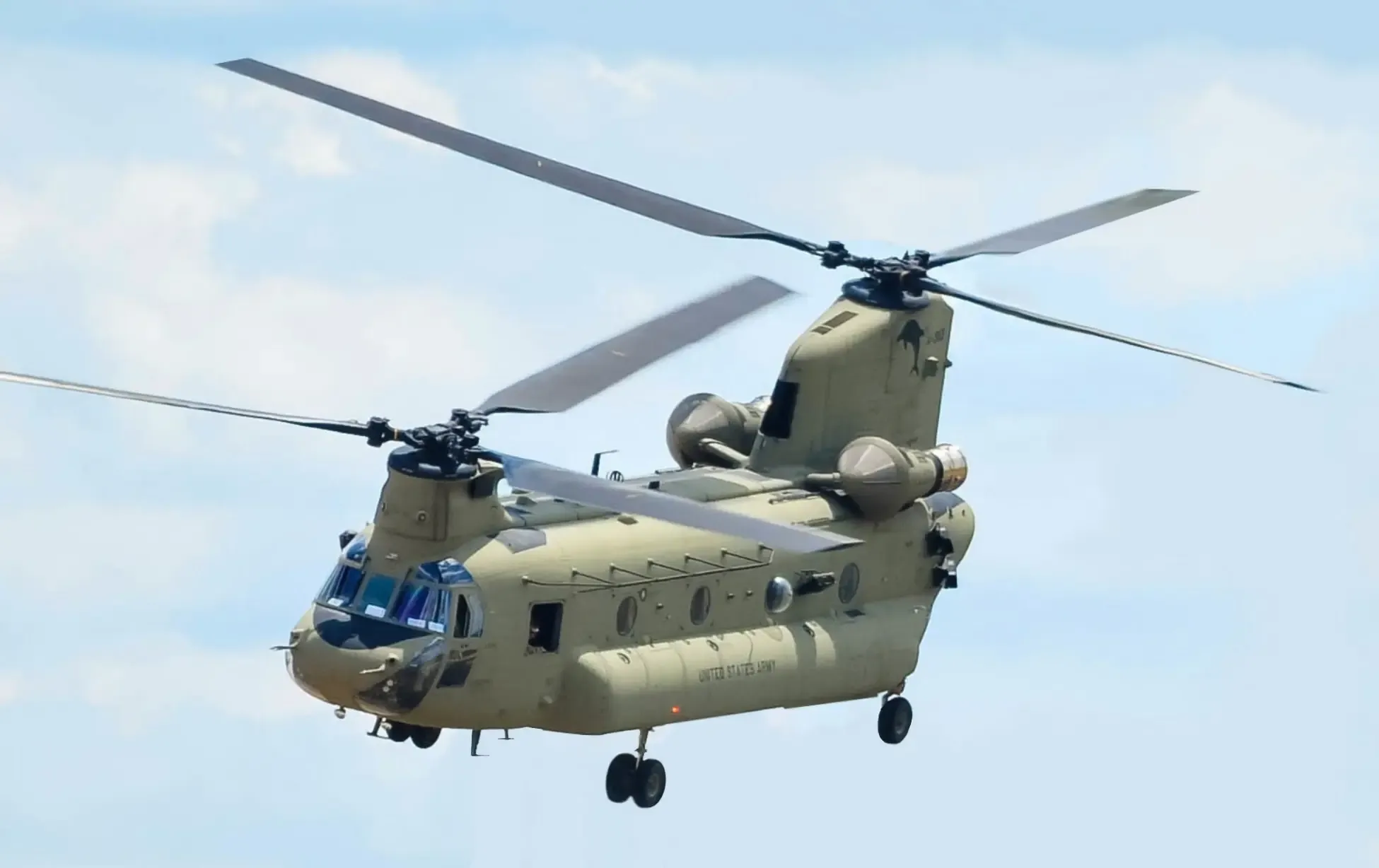
The Chinook helicopter is a twin-engine, tandem rotor helicopter that has played a crucial role in military operations for decades. Developed by Boeing during the 1960s, its unique design allows it to transport troops and heavy equipment efficiently across various terrains. With ongoing military engagements and logistical needs, the significance of the Chinook helicopter continues to be felt on the battlefield and in humanitarian missions.
Design and Specifications
The CH-47 Chinook is recognized for its dual rotor structure, which provides superior lifting capacity and stability. It can carry a payload of up to 24,000 pounds and accommodate up to 55 soldiers or 40 stretchers. The helicopter’s impressive speed of approximately 170 knots makes it one of the fastest in its class, allowing for rapid deployment and extraction.
Recent Deployments and Operations
In recent months, the Chinook has been prominently featured in various military exercises and operations worldwide. Notably, the U.S. Army has deployed Chinook helicopters in NATO operations in Eastern Europe, where they conducted training exercises to bolster security amidst rising geopolitical tensions. Furthermore, the Chinook has been instrumental in providing humanitarian aid during disaster relief efforts in regions affected by natural calamities, showcasing its versatility.
Technological Advancements
The Chinook helicopter has undergone numerous upgrades over the years, including advanced avionics, improved engine performance, and enhanced cargo capabilities. The latest models, such as the CH-47F, come equipped with digital cockpit displays and advanced communication systems, making them more effective in combat and rescue operations. These upgrades ensure that the Chinook remains a relevant and vital asset in modern aviation.
Conclusion
The Chinook helicopter’s adaptability continues to make it a pivotal component of military aviation. As geopolitical landscapes evolve, so too does the necessity for advanced logistical support. Future developments and upgrades are anticipated to enhance its capabilities further, ensuring the Chinook will remain a key player in both military and humanitarian efforts worldwide. For defense professionals, understanding the evolution and capabilities of the Chinook is crucial as they prepare for future missions.