Introduction
The Brenner Base Tunnel (BBT) is a transformative rail infrastructure project that aims to connect Austria and Italy by constructing the longest underground railway tunnel in the world. With an estimated length of 64 kilometers (40 miles), the BBT is crucial for enhancing rail communication and promoting sustainable transport. As Europe endeavors to shift freight from road to rail to alleviate congestion and reduce carbon emissions, the Brenner Base Tunnel stands out as a beacon of modern engineering and environmental responsibility.
Construction and Key Facts
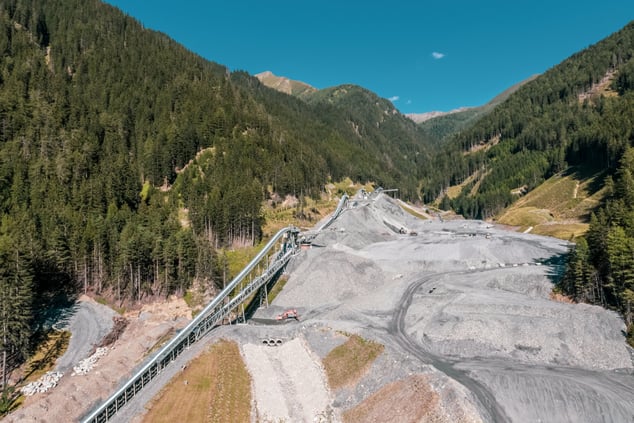
Construction of the Brenner Base Tunnel commenced in 2007 after years of planning and environmental assessments. As of early 2023, approximately 90% of the tunnel was completed. The project encompasses two main tube tunnels, allowing for bidirectional traffic, and includes several access tunnels and emergency exits. The tunnel will allow trains to travel under the high Alps, reducing travel time and improving safety by avoiding mountainous terrain.
The BBT is expected to drastically improve freight transport efficiency, with a projected capacity of transporting 300 freight trains per day by 2025. It is part of the Trans-European Transport Network (TEN-T), emphasizing its importance in connecting various regions of Europe. An investment of around €8 billion has been allocated to the project, funded through contributions from the European Union, the Austrian and Italian governments, and various regional authorities.
Environmental Considerations
One of the crucial aspects of the Brenner Base Tunnel project’s approval was its potential environmental impact. The project promotes alternative and environmentally friendly transportation solutions, significantly reducing pollutants and traffic congestion in the Alpine region. The tunnel’s design includes advanced ventilation systems and is engineered to adhere to stringent environmental regulations. It is calculated that once completed, the BBT will lower emissions and facilitate the transport of goods in an easier and faster manner.
Conclusion
The Brenner Base Tunnel is not just an engineering marvel but also a significant step towards sustainable transport in Europe. As Europe faces challenges related to climate change and urban congestion, projects like BBT are vital for transitioning towards greener transport avenues. Anticipated to be fully operational by 2030, the Brenner Base Tunnel is expected to profoundly impact rail transport accessibility between Northern and Southern Europe, reinforcing economic ties and providing a model for future infrastructure projects worldwide.