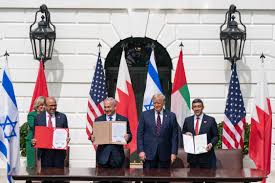
Introduction: The Significance of the Abraham Accords
The Abraham Accords represent a groundbreaking diplomatic achievement in the Middle East, marking a significant shift in the region’s geopolitical landscape. Signed in September 2020, these agreements normalize relations between Israel and several Arab nations, including the United Arab Emirates and Bahrain. The accords are pivotal not only for Israel’s relations with its Arab neighbors but also for the broader pursuit of peace and stability in the region.
Key Developments Since Inception
Since the signing of the accords, several notable developments have unfolded. In 2021, Sudan and Morocco joined the accords, further expanding the circle of recognition for Israel within the Arab world. These changes indicate a growing acceptance of Israel among Arab states, departing from the traditional stance that peace with Israel must follow a resolution to the Palestinian question.
Moreover, trade and diplomatic ties between Israel and these nations have strengthened, with economic cooperation agreements and various collaborative projects in technology, tourism, and security being established. The accords have enabled cultural exchanges, fostering stronger people-to-people ties that could lead to a more integrated regional dynamic.
Challenges and Controversies
Despite the positive momentum, the Abraham Accords face significant challenges. The Palestinian leadership expressed firm opposition, viewing the agreements as a betrayal of their longstanding struggle for statehood. The normalization of relations without addressing Palestinian aspirations has generated tensions, prompting calls for renewed dialogue between Israel and Palestinian authorities.
In addition, regional tensions remain high, particularly with Iran’s influence in the area and its ongoing nuclear ambitions. The instability caused by ongoing conflicts, particularly in Syria and Yemen, complicates the landscape and poses a threat to the transformative potential of the accords.
Conclusion: Future Implications
The Abraham Accords hold both promise and peril for the future of Middle East diplomacy. As of 2023, there is potential for further normalization of relations, with discussions underway about expanding the accords to other nations, including Saudi Arabia. Future developments will likely hinge on how effectively all parties address the underlying issues affecting the Israeli-Palestinian conflict. The significance of the accords lies in their potential to foster a more peaceful, cooperative Middle East, but their success will require sustained dialogue, tolerance, and compromise from all involved.