Introduction
The 2015 Super Bowl, officially known as Super Bowl XLIX, played an essential role in the landscape of American sports, showcasing not only athletic prowess but also providing a platform for cultural moments and commercial significance. Held on February 1, 2015, at the University of Phoenix Stadium in Glendale, Arizona, this championship game featured an intense matchup between the New England Patriots and the Seattle Seahawks. The significance of this event extends far beyond the field, as it captured the attention of millions of viewers and served as a crucial moment in sports history.
Main Event Overview
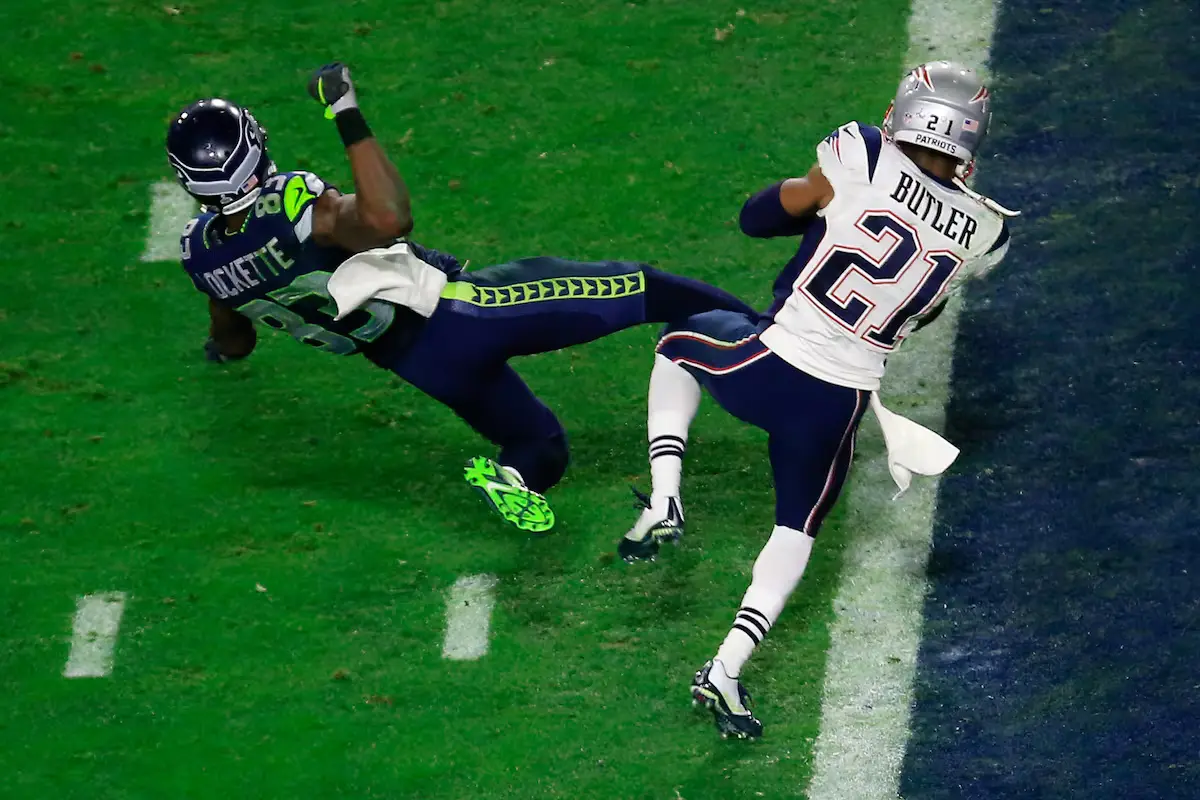
The game is remembered for its dramatic conclusion. The New England Patriots, led by quarterback Tom Brady, faced off against the dominant Seattle Seahawks, who were defending their title from the previous year. As the game progressed, it appeared that the Seahawks would secure victory, especially in the fourth quarter when they reached the Patriots’ one-yard line with just seconds left. However, in a surprising turn of events, Seattle opted for a pass play instead of running the ball, which resulted in an interception by New England’s Malcolm Butler. This pivotal moment enabled the Patriots to clinch a 28-24 victory, granting them their fourth Super Bowl title and solidifying Brady’s legacy as one of the greatest quarterbacks of all time.
Cultural Impact and Commercial Success
The 2015 Super Bowl was not only a sports spectacle; it also featured memorable commercials and performances. The halftime show, headlined by pop superstar Katy Perry, was a standout moment, showcasing extravagant performances and special guests including Lenny Kravitz and Missy Elliott. The event drew an impressive television audience of over 114 million viewers, making it one of the most-watched programs in U.S. television history.
Conclusion
The outcomes of the 2015 Super Bowl went beyond the final score. The game’s dramatic plays and cultural elements combined to create a lasting impact on sports fans and the advertising industry alike. It set a high benchmark for subsequent Super Bowls in terms of viewership and entertainment value. As we reflect on this iconic moment in sports history, it serves as a reminder of the profound influence that such events hold not just in America, but globally as a celebration of sports and culture.