The numbers
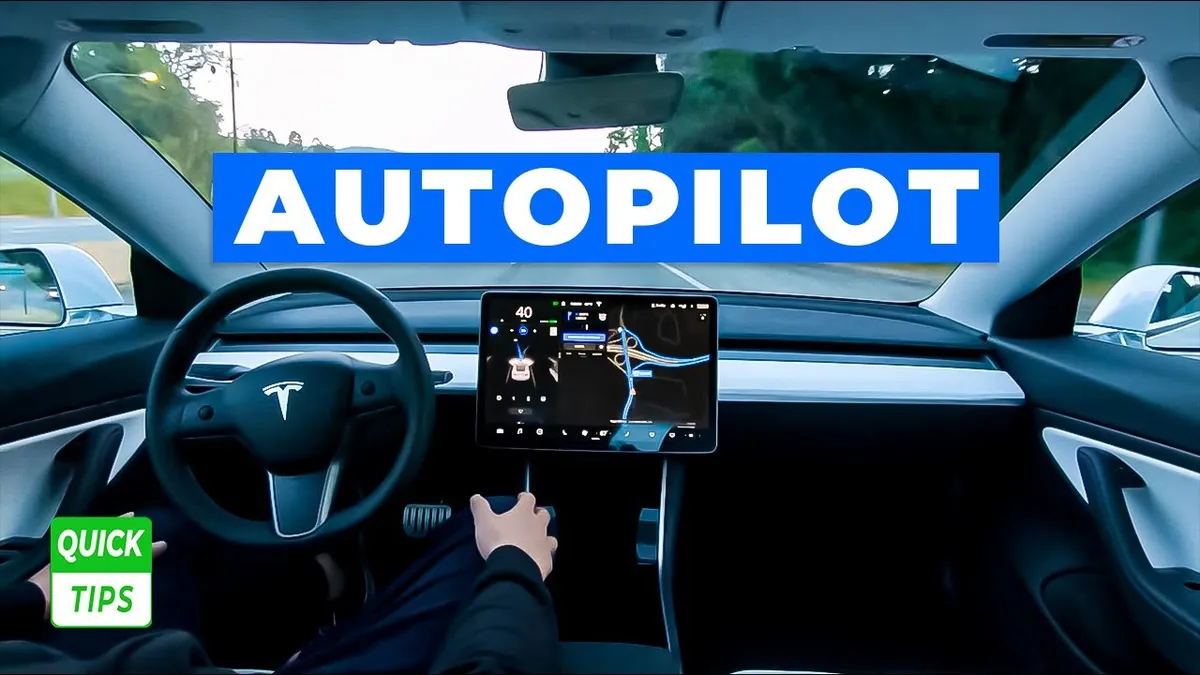
Two Las Vegas residents are suing Tesla after an alleged autopilot malfunction made them turn into oncoming traffic, resulting in significant personal injuries. The lawsuit, filed in the Clark County District Court, claims that the autopilot system’s steering control software malfunctioned, causing the vehicle to execute an unexpected wide right turn.
Simen Ghassan Shamoun, who was driving a 2024 Tesla Model Y sedan, incurred over $13,000 in medical expenses due to the collision, while his passenger, Steven Shamoun, faced over $10,000 in medical costs. The plaintiffs are pursuing strict product liability claims against Tesla, citing design defect and failure to warn as key issues.
“This unintended maneuver was not caused by any identifiable hazard, lawful traffic control device, or driver input,” the lawsuit states, raising serious questions about the reliability of Tesla’s Autopilot system. This incident is part of a broader pattern of concerns surrounding the safety of Tesla’s driver-assist features, which have been criticized for leading to misconceptions about their capabilities.
In a separate incident, a driver in Vacaville was found passed out behind the wheel of a Tesla while the vehicle operated autonomously. This driver was subsequently arrested for DUI, highlighting the dangers of misuse of Tesla’s driver-assist systems. The Vacaville Police Department noted, “California drivers are permitted to use newer assistive driving safety features in their vehicles. But just like every other driver on the road, they still need to be conscious, alert, and not under the influence while operating them.”
The community member who called dispatch in Vacaville emphasized that the real safety system was not the car, but rather the vigilant observer who recognized the potential danger. This incident underscores the critical need for drivers to remain engaged and responsible, even when utilizing advanced driving technologies.
As Tesla continues to market its Autopilot features, the company faces increasing scrutiny over the safety and reliability of its systems. Critics argue that Tesla’s marketing has led to a misunderstanding of the capabilities of its driver-assist technologies, which may contribute to dangerous situations on the road.
Observers expect that this lawsuit could set a precedent for future cases involving Tesla’s Autopilot system, as more incidents of misuse and malfunction come to light. With the increasing integration of autonomous driving technologies in everyday vehicles, the legal and ethical implications of their use will likely remain a topic of intense debate.
Details remain unconfirmed regarding the full extent of the investigation into the Autopilot malfunction and its implications for Tesla’s future operations. As the automotive industry evolves, the balance between innovation and safety will be crucial in shaping public perception and regulatory responses to driver-assist technologies.