Changing Expectations
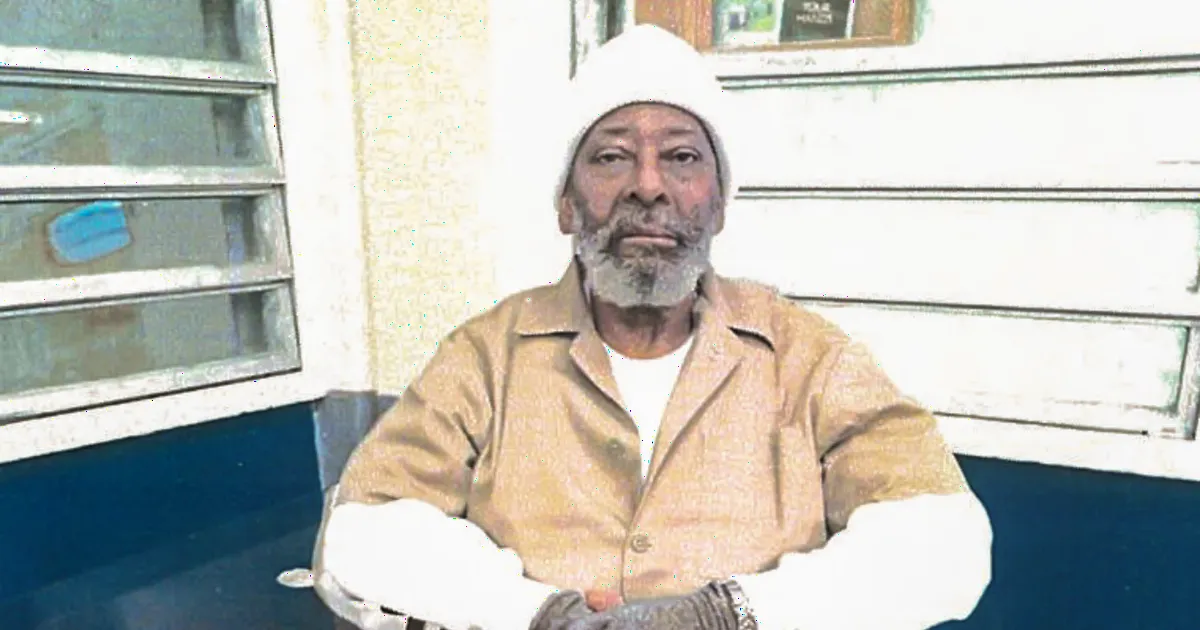
For over three decades, Charles Sonny Burton faced the looming threat of execution for his role in the 1991 murder of Doug Battle during a robbery in Talladega, Alabama. Convicted under the felony murder doctrine, which holds all participants in a felony equally responsible for any killings that occur during the crime, Burton’s case sparked significant debate about justice and accountability. His scheduled execution by nitrogen gas on March 10, 2026, was seen by many as a culmination of a lengthy and contentious legal battle that had seen his conviction reviewed at least nine times without being overturned.
A Decisive Shift
However, a decisive moment arrived when Alabama Governor Kay Ivey announced the commutation of Burton’s death sentence to life in prison without parole. This decision came after a petition with 67,000 signatures was delivered to her office, urging her to halt the execution. The commutation was notably supported by a representative of the Battle family and Alabama Attorney General Steve Marshall, who acknowledged the complexities of the case. Ivey stated, “I cannot proceed in good conscience with the execution of Mr. Burton under such disparate circumstances,” highlighting the fact that Burton did not pull the trigger in the murder.
Immediate Effects
The commutation has immediate implications for Burton, who is currently 75 years old. It alters the trajectory of his life, allowing him to avoid execution, a fate that has been met with growing public pressure and protests. Six of the eight living jurors from Burton’s 1992 trial did not oppose the commutation, indicating a shift in perception regarding his culpability. In contrast, Derrick DeBruce, the actual triggerman in the murder, was sentenced to life without parole, raising questions about the fairness of sentencing in cases involving multiple participants.
Expert Perspectives
Legal experts and advocates have pointed to this case as emblematic of broader issues within the justice system. The disparity in sentencing between Burton and DeBruce underscores the complexities of the felony murder rule and its application. Ivey’s decision to commute the sentence reflects a growing awareness of these issues, as well as a shift in public sentiment regarding capital punishment. As Ivey noted, “I believe it would be unjust for one participant in this crime to be executed while the participant who pulled the trigger was not.” This perspective resonates with many who advocate for reform in the justice system.
Broader Implications
The commutation of Burton’s death sentence also raises questions about the future of capital punishment in Alabama. Governor Ivey has presided over 25 executions during her tenure, yet Burton’s case marks only the second death sentence she has commuted. This decision may signal a potential shift in policy as public opinion increasingly favors alternatives to the death penalty. The profound loss felt by the Battle family remains a critical aspect of this narrative, as Ivey acknowledged, stating, “The murder of Doug Battle was a senseless and tragic crime, and this decision does not diminish the profound loss felt by the Battle family.”
As the legal landscape continues to evolve, the case of Charles Sonny Burton serves as a reminder of the complexities surrounding justice, accountability, and the death penalty. With a growing number of voices advocating for reform, the implications of this commutation may extend beyond Burton’s individual case, influencing future discussions about capital punishment in Alabama and beyond.