Introduction
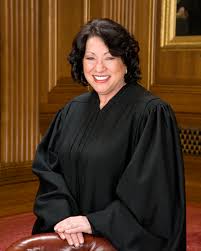
Sonia Sotomayor’s appointment to the U.S. Supreme Court in 2009 marked a significant milestone in American history as she became the first Latina justice to hold such a position. Her journey from a Bronx neighborhood to the highest court in the land symbolizes resilience and represents the growing diversity within the U.S. judicial system. Sotomayor’s role not only serves as an inspiration but also emphasizes the importance of representation in legal discussions that impact millions of lives.
Career and Appointments
Sotomayor was nominated by President Barack Obama after a distinguished career as a federal judge. Notably, she served as a judge on the U.S. Court of Appeals for the Second Circuit and held various positions in the legal field, including being a prosecutor. Her judicial philosophy is characterized by a commitment to social justice and equity, often bringing a unique perspective to the bench that reflects her background as a Puerto Rican woman.
Major Decisions and Influence
Since her confirmation, Justice Sotomayor has participated in numerous landmark cases that exhibit her commitment to civil rights and liberties. Notable cases include Whole Woman’s Health v. Hellerstedt, where she advocated for women’s health, and Friedrichs v. California Teachers Association, emphasizing workers’ rights. Her eloquent dissents often express her concern for the marginalized, influencing how the court addresses socio-economic issues.
Public Engagement and Cultural Impact
Apart from her judicial duties, Sotomayor actively engages with the public through speaking events and her autobiographical work, My Beloved World. Her story resonates with many, fostering discussions around the importance of perseverance and education. In recent years, she has used her platform to speak on critical issues like immigration reform and voting rights, underscoring her belief in equality and justice for all Americans.
Conclusion
The significance of Justice Sonia Sotomayor’s presence on the Supreme Court extends beyond legal rulings; it highlights the critical importance of diverse voices in shaping American law and policy. As she continues to influence generations through her work and advocacy, Sotomayor stands as a reminder of the power of representation in achieving a fair and just society. Moving forward, her legacy will likely inspire future policymakers and judicial leaders to prioritize inclusivity in the pursuit of justice.