Importance of Paper Checks in the Digital Age
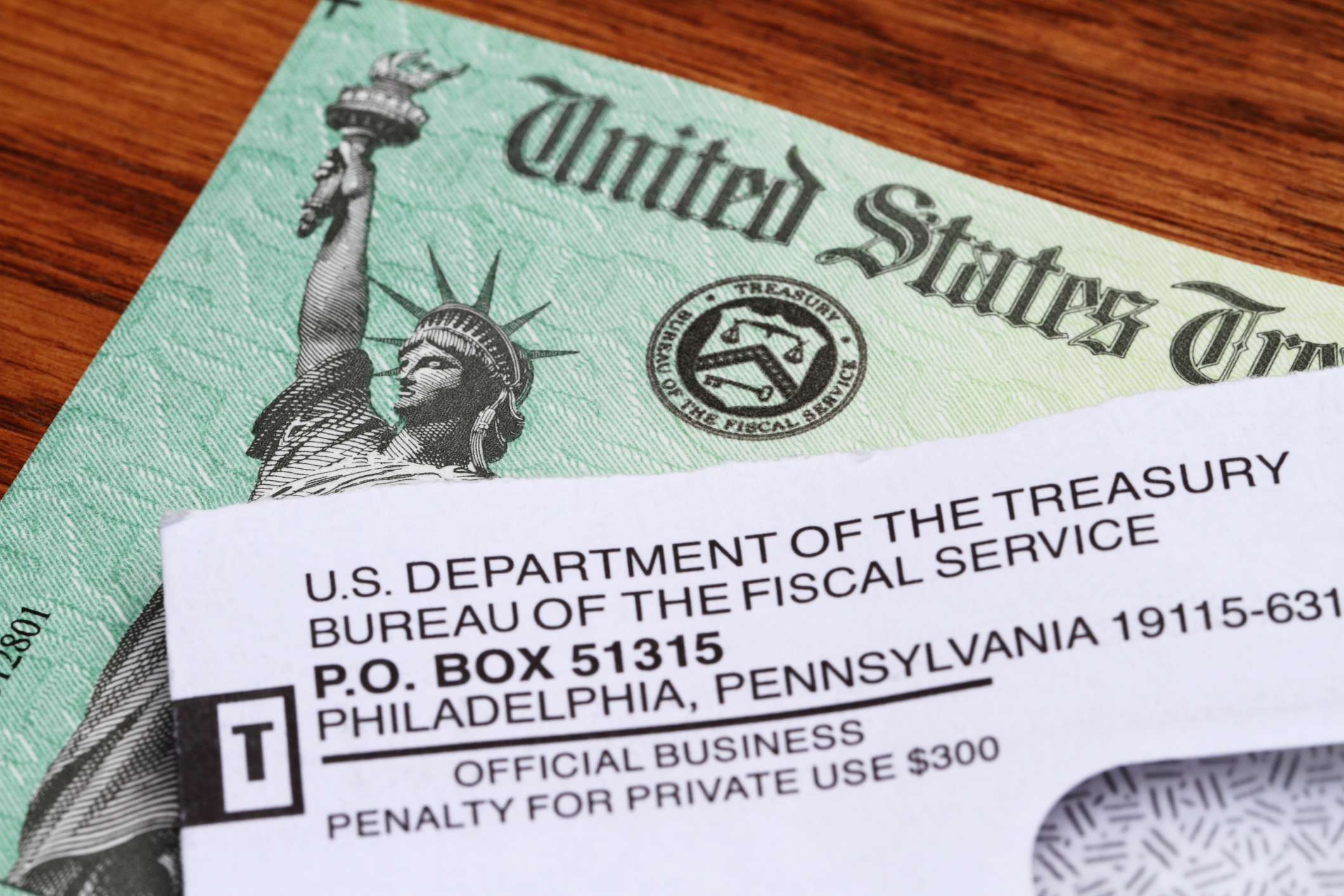
In an era increasingly dominated by technology, the continued issuance of paper checks for Social Security benefits stands as a vital support mechanism for those unable to access digital options. This issue affects a significant population of elderly and disabled individuals who may lack reliable internet access or the necessary skills to manage their finances online. The Social Security Administration (SSA) has acknowledged these challenges, ensuring that beneficiaries who cannot transition to digital formats will still receive their much-needed funds via traditional checks.
Current Situation and Developments
As of October 2023, a report from the SSA indicated that about 7 million beneficiaries still receive their payments through paper checks. Despite ongoing initiatives aimed at encouraging more individuals to switch to direct deposits or treasury debit cards, the SSA recognizes that for some, especially the elderly, this transition may not be feasible due to various barriers — including lack of access to banking facilities, technological literacy, or Internet connectivity.
In response to these concerns, the SSA has committed to maintaining paper check issuance until further notice. This decision aligns with broader government efforts to ensure that vulnerable populations are not adversely affected by the digitization of services, an effort supported by various advocacy groups focused on aiding the elderly and disabled communities.
Impact and Future Outlook
Continuing to provide paper checks ensures that beneficiaries can access their funds painlessly and without interruption. Advocates argue that the digital divide remains a significant socioeconomic concern, emphasizing that it is not merely about access to technology, but also about providing education and resources to navigate the system.
Looking forward, there is a growing recognition of the need for dual solutions. While digital platforms can enhance efficiency and reduce administrative costs, the SSA and other agencies may need to develop tailored programs to assist those who remain reliant on traditional payment methods. This could involve delivering financial literacy programs or improving access to the necessary technology.
Conclusion
The decision to maintain paper checks for Social Security beneficiaries without digital access highlights the need to balance innovation with inclusion. As society continues to evolve technologically, it is crucial to ensure that no one is left behind, especially those who depend on these essential programs for their daily living. The SSA’s commitment to keeping paper checks available signifies an important recognition of these realities and offers reassurance to the millions who rely on them.