Introduction
As winter approaches, meteorologists are predicting significant snowfall across various regions of the United States. This forecast not only affects local economies, but also has implications for travel, infrastructure, and outdoor activities. Understanding the potential impacts of this snowfall is crucial for residents and local authorities alike, as preparedness becomes more essential in the face of extreme weather patterns.
Forecast Details
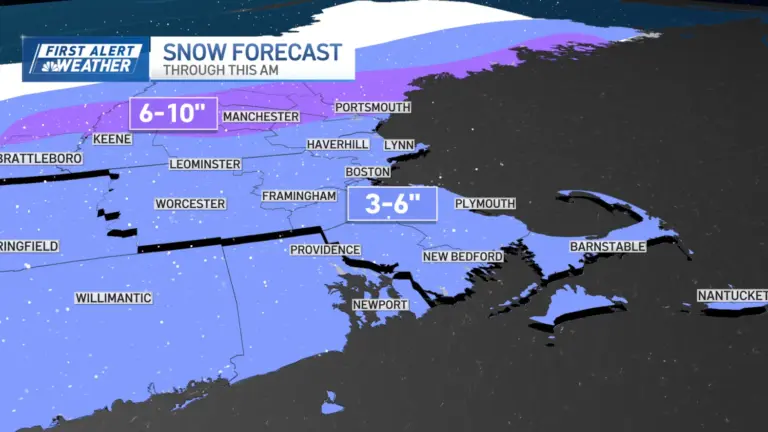
The National Weather Service (NWS) has released forecasts indicating that states in the Northeast, Midwest, and parts of the Rocky Mountains should prepare for above-average snowfall levels this winter. Data from previous seasons shows a trend toward heavier snowfall due to climate changes, creating a heightened anticipation for residents accustomed to harsh winters.
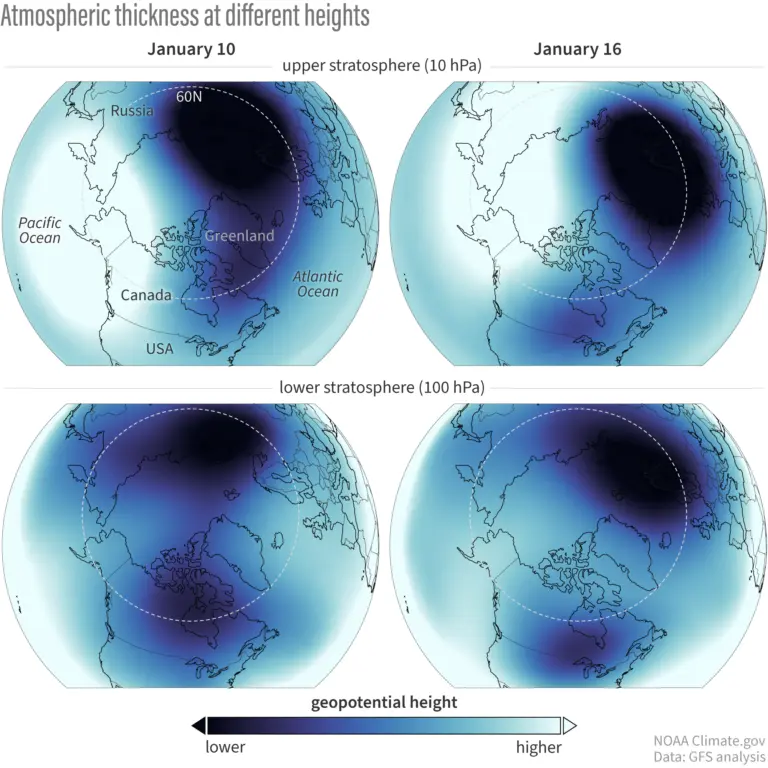
Regions such as the Great Lakes may experience snowfall totals upwards of 200 inches by the end of the season, which is significantly above the historical average. Meteorologist Joe Smith stated, “We’re looking at patterns indicating a strong polar vortex and moisture from the Pacific, leading to more frequent snow events. Individuals are advised to stay tuned to local forecasts as conditions can change rapidly.”
Travel and Infrastructure Challenges
The expected snowfall poses a challenge for travel, with increased risks for hazardous road conditions. Authorities are urging drivers to remain cautious and plan for potential delays during peak travel periods, such as the holiday season. Local governments are ramping up snow removal efforts in anticipation of these conditions and have requested additional resources to manage the expected volume of snow removal.
Air travel is also likely to be impacted, with many airlines already advising passengers to check flight statuses as conditions are expected to lead to cancellations and delays. Emergency services are on high alert, preparing for increased call volumes during heavy snowfall periods.
Conclusion
The potential for significant snowfall this winter indicates the importance of preparation and vigilance for both residents and authorities. Communities are encouraged to have emergency kits in homes and vehicles, monitor local weather forecasts, and follow guidelines provided by local municipalities. As the winter progresses, staying informed and prepared could alleviate the disruptions that heavy snowfall typically brings, ensuring a safer winter season for all.