Introduction
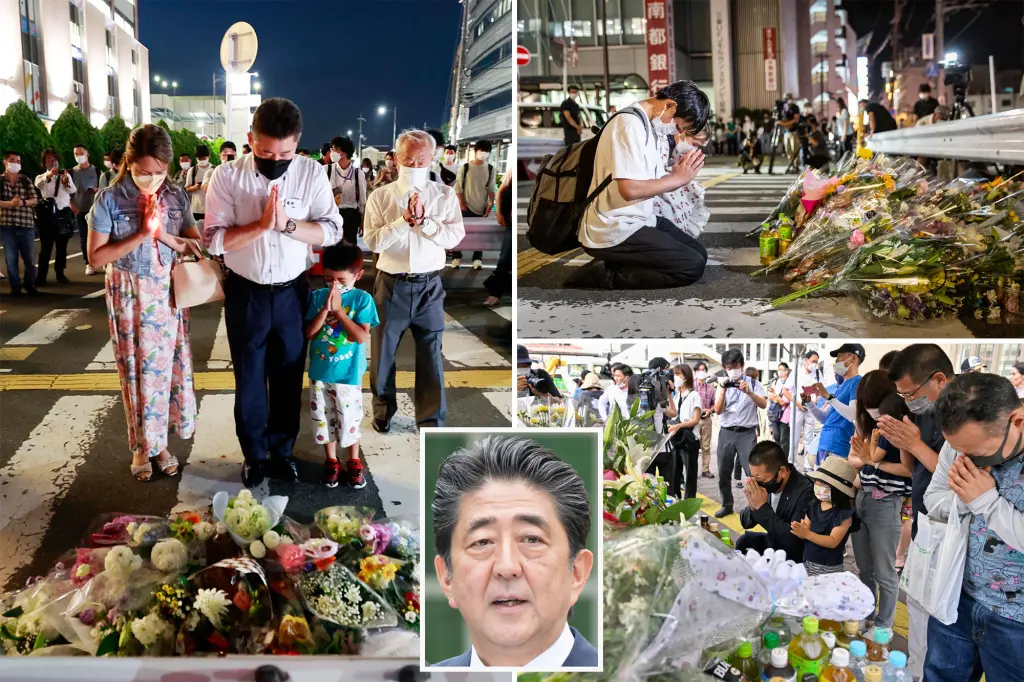
The assassination of Shinzo Abe, Japan’s longest-serving prime minister, has left an indelible mark on the nation and the world. On July 8, 2022, Abe was shot while delivering a speech in Nara, a shocking turn of events that reverberated globally. His leadership spanned nearly a decade, and his policies significantly influenced Japan’s economy, security, and foreign relations. In considering his legacy, it is crucial to analyze the contexts in which he operated and the implications of his leadership.
Main Achievements
Abe’s tenure, beginning in 2012 until his resignation in 2020, is often marked by his economic policies known as “Abenomics.” This framework sought to rejuvenate Japan’s stagnant economy through a mix of monetary easing, fiscal stimulus, and structural reforms. The impact of Abenomics has been mixed, with some successes in boosting stock markets and decreasing unemployment, yet challenges remain, particularly in achieving sustainable growth and combating a declining population.
On the international stage, Abe was a staunch ally of the United States, strengthening the U.S.-Japan alliance. He advocated for Japan’s active role in global security, pushing for constitutional revisions to expand the military’s capabilities. His efforts to enhance Japan’s defense posture were pivotal as regional tensions escalated, particularly with North Korea’s missile tests and China’s assertive maritime posture.
Political Landscape and Controversies
Despite his achievements, Abe’s legacy is not without controversy. His administration faced scrutiny over nationalist inclinations and attempts to reinterpret Japan’s wartime history, which some critics argue fostered tensions with neighboring countries such as South Korea and China. Furthermore, Abe’s handling of the COVID-19 pandemic faced criticism, leading to declining approval ratings and ultimately contributing to his decision to step down in 2020.
Conclusion
Shinzo Abe’s assassination underscored the vulnerability of political leaders and the extent of political polarization in modern society. As Japan navigates through this period of mourning and reflection, Abe’s legacy will be evaluated in terms of economic, political, and cultural impacts. His policies have laid a foundation that will influence future generations of Japanese leadership. Observers of international relations will continue to assess the ramifications of his leadership style and decisions within the context of an evolving geopolitical landscape.
Ultimately, Abe’s legacy is a complex tapestry of innovation, turmoil, and resilience, reflective of the nation he led during turbulent times.