Introduction
As winter settles in across much of the United States, the National Weather Service (NWS) has issued numerous extreme cold warnings for several regions. This alarming weather phenomenon significantly impacts daily life, transportation, and overall safety. Understanding the implications of these warnings is crucial for residents in affected areas.
What is an Extreme Cold Warning?
An extreme cold warning is issued when temperatures are forecasted to drop below 15 degrees Fahrenheit, or when wind chills are forecasted to drop below -10 degrees Fahrenheit. These conditions pose serious risks, especially to those without adequate shelter, clothing, or heating.
Current Situation
As of recent reports, parts of the Midwest and Northeast are experiencing record low temperatures, with some areas dipping as low as -20°F. Furthermore, the wind chill factor has driven the perception of cold even lower, with some regions feeling like -30°F. The extreme chill is mainly attributed to a strong Arctic air mass moving south into the continental U.S., resulting in freeze warnings and widespread advisories from the NWS.
Impact on Daily Life
The extreme cold has hindered transportation, leading to delays and cancellations of flights and difficulties on the roads due to icy conditions. Emergency services are on high alert, with local agencies urging residents to stay indoors and utilize precautions if travel is necessary. Schools in several areas have opted for remote learning days to ensure the safety of students.
Health Risks & Safety Measures
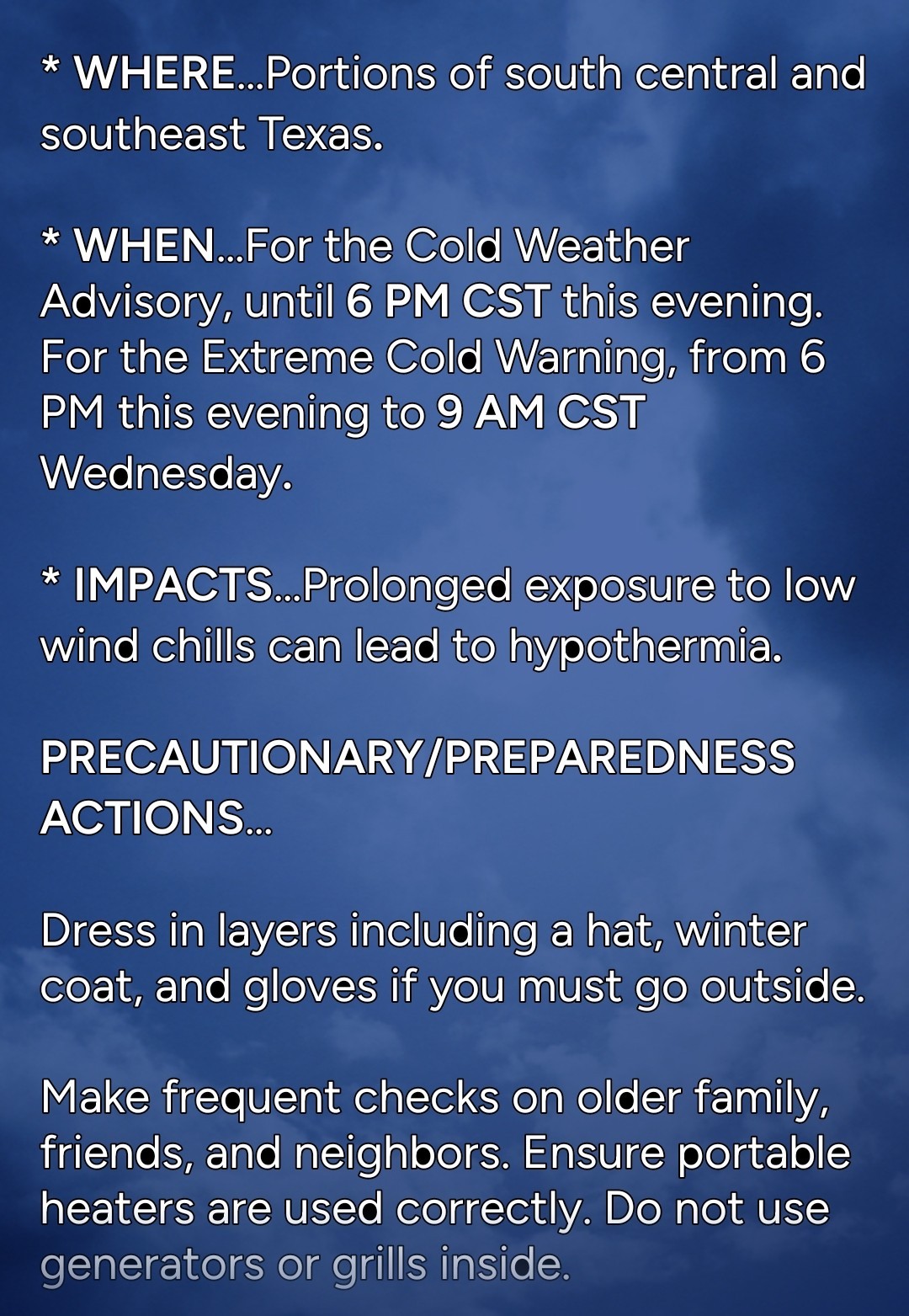
The health risks associated with extreme cold include frostbite and hypothermia, which can occur in a matter of minutes under severe conditions. Residents are encouraged to dress in layers, use waterproof gear, and limit outdoor exposure, especially the elderly and those with pre-existing health conditions. Officials recommend keeping emergency kits in homes and vehicles, containing essential supplies such as food, water, and first-aid items.
Conclusion
The extreme cold warnings serve as a crucial reminder of the winter’s potential dangers. As forecasts indicate that frigid temperatures may continue for the upcoming weeks, local communities must stay vigilant. Understanding weather warnings and adhering to safety recommendations can save lives and reduce the risks associated with severe winter weather. Stay informed, warm, and safe during this harsh winter season.