Introduction
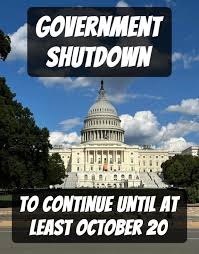
The potential for a government shutdown looms large as the U.S. Senate gears up for a critical vote this week. With the current budget set to expire soon, lawmakers are under pressure to reach a consensus that will keep government services operational. The consequences of a shutdown can be far-reaching, affecting millions of Americans and presenting challenges for federal employees, national parks, and public services.
The Stakes of a Shutdown
If Congress fails to pass a spending bill by the deadline, non-essential government services will come to a halt. This has significant ramifications, including the furlough of federal employees and the interruption of vital services such as social security, veteran benefits, and more. Past shutdowns have taught us that the economic impact can be severe, causing tumult in financial markets and leading to productivity losses across the board.
Current Negotiations
As of now, Senate leaders from both parties are engaged in intense negotiations, aiming to craft a bipartisan spending package that satisfies various factions. Key issues include federal funding levels, pandemic-related appropriations, and social programs. Recent polling indicates that constituents are largely opposed to a shutdown, prompting senators to re-evaluate their positions and priorities as they consider the potential fallout from inaction.
Implications and Forecast
The upcoming vote is poised to highlight the divisions within the Senate, especially concerning budget allocations for social issues and defense. Analysts suggest that while some lawmakers may push for a temporary solution, ultimately a longer-term budget agreement is needed to prevent recurring crises in the future. The outlook is mixed; while there is bipartisan recognition of the urgency to avoid a shutdown, ideological differences remain a significant hurdle.
Conclusion
The Senate’s decision regarding the government shutdown vote is crucial not only for immediate federal operations but also for setting a precedent regarding future budget negotiations. As citizens watch anxiously, the implications of this vote could reflect the broader political climate, potentially influencing voter sentiment in upcoming elections. With all eyes on Capitol Hill, the hope remains that lawmakers can navigate their differences and come together to prevent what would be yet another chapter in the ongoing saga of budgetary strife in the United States.