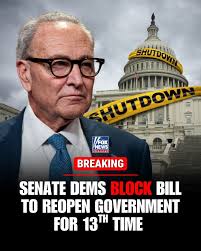
Importance of the Government Shutdown Issue
The possibility of a government shutdown has been a pressing concern for lawmakers and citizens alike. A shutdown, which occurs when Congress fails to pass funding legislation, can lead to the closing of federal agencies and services, causing disruptions in essential operations ranging from national security to social services. As the October 1 deadline approaches, Senate Democrats are taking decisive action to avert potential chaos.
Current Legislative Efforts by Senate Democrats
In recent weeks, Senate Democrats have proposed a set of bipartisan spending bills to secure the necessary funding to keep the government running. They are advocating for a continuing resolution (CR) to temporarily fund the government at current levels, allowing time for further negotiations on a comprehensive budget deal. This CR aims to prevent any immediate fallout from a shutdown while promoting necessary fiscal talks.
Senate Majority Leader Chuck Schumer has emphasized the importance of cross-party collaboration. He stated, “Democrats are committed to working with our Republican counterparts to find solutions that prioritize the needs of our citizens and ensure the government runs smoothly.” This effort has prompted some bipartisan support, with several Republican senators expressing willingness to engage in discussions.
Challenges and Opposition
Despite these measures, Senate Democrats face significant challenges. Some factions of the Republican party are insisting on drastic cuts to domestic programs in exchange for their support, complicating negotiations. Furthermore, House Republicans have introduced various proposals that include controversial policies, making it difficult to achieve consensus.
As of now, tension remains high, with both sides pointing fingers regarding accountability for potential shutdown scenarios. Democrats argue that the opposition’s hardline stance is unreasonable, while some Republicans blame Democrats for a lack of transparency and negotiation.
Potential Outcomes and Significance
The stakes are high as the deadline approaches, and both parties recognize the importance of avoiding a shutdown. The consequences of a government shutdown can extend beyond just federal operations, affecting millions of Americans who rely on government services and support.
Experts predict that if Senate Democrats can successfully navigate bipartisan discussions and pass a CR, it would not only prevent immediate disruption but could also pave the way for more effective governance ahead of the looming budget debates for the upcoming fiscal year. However, failure to reach an agreement could lead to a crisis, sidelining essential government functions and eroding public trust in government institutions.