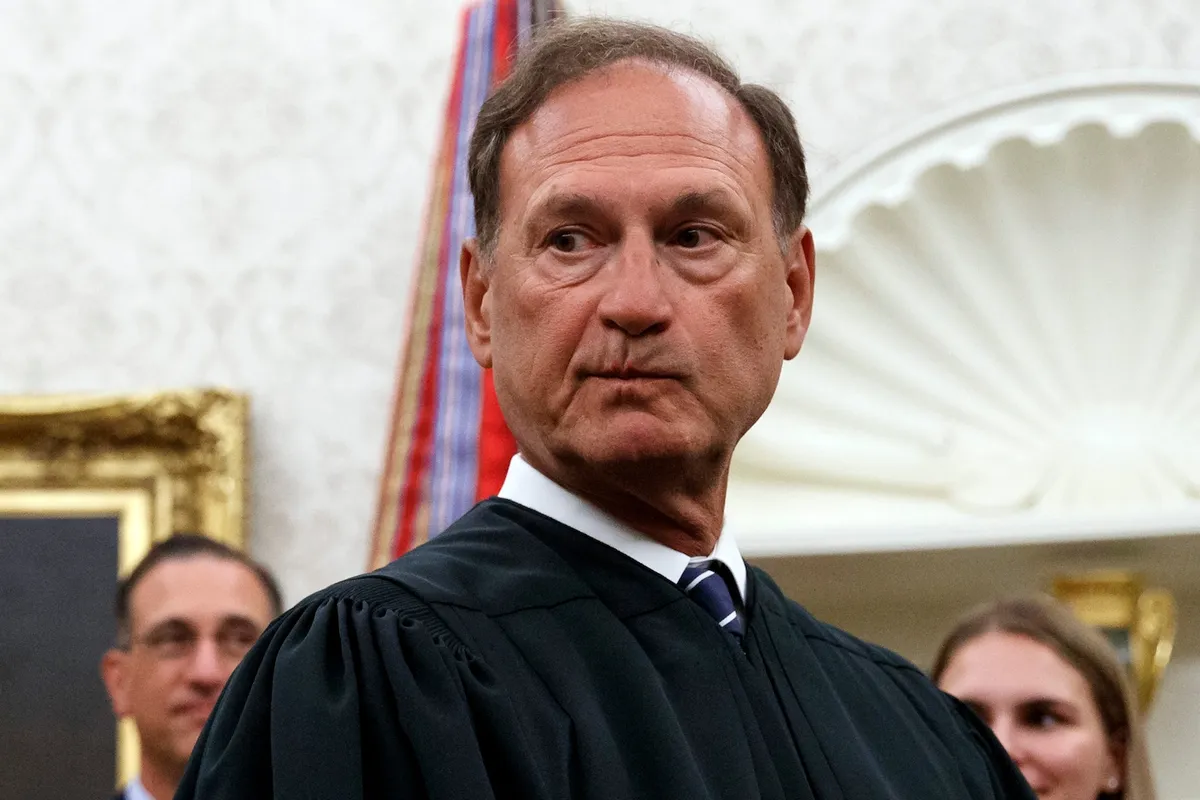
The ongoing speculation regarding Samuel Alito’s potential retirement carries significant implications for the Supreme Court, particularly as it relates to the balance of power within this pivotal institution. As observers note, Alito’s age—76 years—coupled with his long tenure on the bench since 2006, has led to increased discussions about when he might step down. Yet, recent evidence indicates that he is not planning to retire this year.
Documents show that Alito has recently hired all four law clerks for the upcoming annual term, a move that suggests his intention to remain actively involved in court proceedings. According to sources familiar with his situation, Alito intends to continue serving at least until 2027, despite having faced a health scare earlier this year when he was treated for dehydration after becoming ill at a Federalist Society dinner.
In a broader context, speculation about retirements tends to arise as the court approaches the end of its term. This pattern has been observed frequently in previous years, especially with justices of advanced age like Clarence Thomas, who is currently 77 and has served on the court since 1991. Alito’s continued presence on the bench may be influenced by political considerations as well; Donald Trump filled three seats on the court during his first term, which has shifted its ideological landscape.
Trump has publicly praised Alito, stating that “Justice Alito is an unbelievable justice” and asserting that “Alito is a great justice.” Such endorsements from influential figures may play a role in how justices perceive their positions amid external pressures. However, it remains uncertain how these dynamics will evolve as time progresses and new political landscapes emerge.
Furthermore, while some speculate on potential retirements among justices—especially those who have served lengthy terms—the actual decision to leave the bench is deeply personal and can be influenced by various factors including health, political climate, and individual priorities. Documents indicate that despite his recent health issues, Alito has remained an active participant in the court’s work.
As we look ahead, it is essential to consider that details remain unconfirmed regarding any imminent changes in personnel at the Supreme Court. The current composition of justices plays a critical role in shaping major legal decisions that affect numerous aspects of American life.
In summary, while speculation regarding Samuel Alito’s retirement continues to circulate among legal analysts and commentators alike, the available evidence suggests he is poised to remain on the Supreme Court for at least several more years. The interplay between personal decisions and broader political contexts will undoubtedly shape future discussions surrounding his tenure.