Introduction
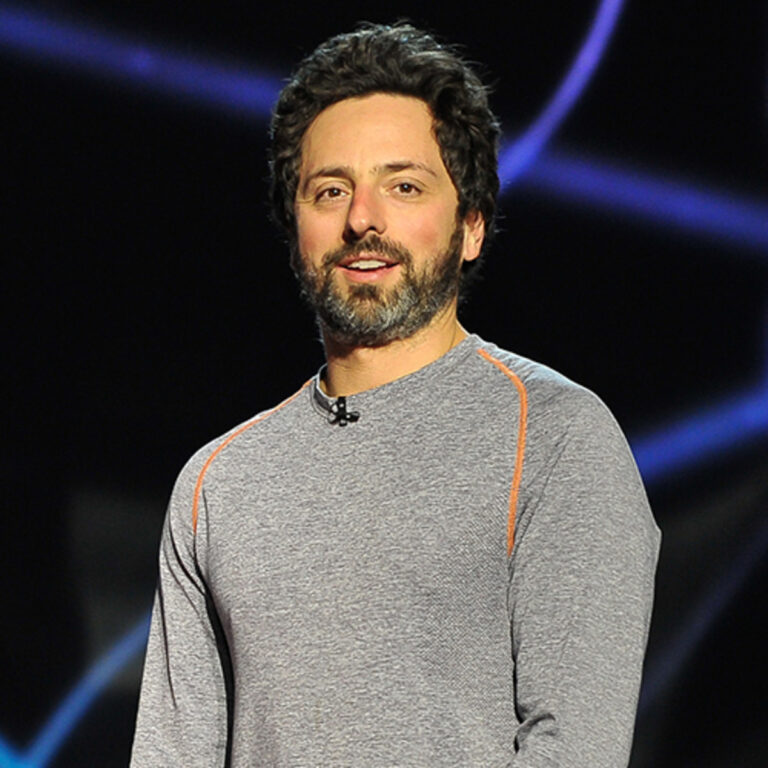
Sam Altman, the CEO of OpenAI, has emerged as one of the most influential figures in the tech industry today. As a venture capitalist and entrepreneur, Altman’s leadership has propelled advancements in artificial intelligence and technology that impact numerous sectors. His role at OpenAI, especially, is pivotal in steering how AI may shape our future, making his insights and decisions particularly relevant in today’s rapidly evolving technological landscape.
Background
Born on April 22, 1985, in Chicago, Illinois, Altman studied computer science at Stanford University before dropping out to pursue his entrepreneurial ambitions. He co-founded the location-based social networking app Loopt, which was later sold to Green Dot Corporation. Altman then became the president of the startup accelerator Y Combinator, where he helped nurture various successful tech companies, including Airbnb and Dropbox.
OpenAI and AI Development
At OpenAI, which was established in December 2015, Altman oversees the company’s mission to ensure that artificial general intelligence (AGI) benefits all of humanity. Under his leadership, OpenAI has developed advanced AI models, including the well-known GPT series which powers numerous applications today. In March 2023, OpenAI released GPT-4, significantly enhancing the capabilities of creative and technical writing, with applications in diverse fields such as education, programming, and content creation.
Challenges and Controversies
Despite the advancements, Altman and OpenAI face numerous challenges. The rapid development of AI technologies raises ethical and safety concerns, including the potential for misuse. Additionally, Altman frequently advocates for regulatory frameworks to ensure responsible usage of AI, positioning him at the forefront of important debates about technology’s future. His recent testimony before the U.S. Senate highlighted the need for collaboration between technology companies and lawmakers.
Future Outlook
Looking ahead, Sam Altman’s influence is set to grow even further. The integration of AI across industries is anticipated to transform economies and job markets. As technological upheavals forge new paths for innovation, Altman’s leadership will be critical in addressing both opportunities and risks associated with these advancements. His vision advocates for transparency and ethical development, aiming to leverage AI to improve lives while also preparing for the challenges it may introduce.
Conclusion
Sam Altman represents a new era of tech leaders who are not just innovators but also custodians of responsible development in rapidly advancing fields. As developments in AI continue to unfold, following Altman’s work will be essential for anyone interested in understanding the future of technology and its implications for society.