Introduction
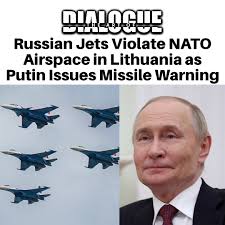
The recent incursions of Russian jets into NATO airspace, particularly near Lithuania, have ignited significant concerns regarding the stability of the region and the broader implications for NATO’s collective defense posture. These incidents underline the escalating tensions between NATO and Russia, particularly in the context of ongoing geopolitical conflicts.
Details of the Incursions
On several occasions in recent weeks, Lithuanian defense officials reported that Russian fighter jets crossed into NATO airspace without permission. The Lithuanian Ministry of National Defence confirmed these unauthorized entries, detailing that the jets appeared to be on a reconnaissance mission or conducting maneuvers close to the borders of NATO member states. The incidents were notably captured by NATO surveillance systems, which monitored the Russian activities closely.
In response, the NATO alliance has ramped up its air patrols in the Baltic region, utilizing enhanced air policing measures. This includes the deployment of allied fighters from member nations such as the United States, the United Kingdom, and Germany, stationed at airbases in Lithuania and the surrounding areas. NATO’s air defense strategy aims to ensure robust deterrence against any potential aggressions.
Tensions and Responses
The heightened presence of Russian military aircraft has raised alarms among local governments and the international community regarding a possible escalation of military confrontations. Lithuanian officials have urged NATO allies to maintain a vigilant stance and reiterated their commitment to collective security.
Russian officials, on their part, have characterized these flights as routine training missions, denying any provocations or hostile intentions. They have critiqued NATO’s military buildup near their borders as a provocative act that increases tensions. As NATO leaders stress the importance of adhering to international norms, it impacts the diplomatic dialogue necessary to de-escalate potential conflicts.
Conclusion
The ongoing incursions of Russian jets into NATO airspace present a worrying development for the security architecture in Europe. As NATO strengthens its presence in Eastern Europe, it becomes essential for member states to engage in diplomatic efforts to prevent conflict escalation, while also preparing strategic responses to potential aggressions. The recent events serve as a stark reminder of the fragile balance in international relations and the significant challenges facing Europe in maintaining peace and security in the region.