The wider picture
The Kansas City Royals have been contemplating a move from Kauffman Stadium for several years, with their current lease set to expire in 2031. This impending deadline has intensified discussions about the future of the team and its home venue. As the Royals evaluate various options, the pressure mounts to identify a suitable location that meets both the team’s needs and the expectations of its fan base.
Recently, the Royals have been actively exploring several stadium sites around the Kansas City metropolitan area. While some potential locations have been eliminated from consideration, including one in Overland Park, Kansas, the focus has shifted towards sites in downtown Kansas City and Clay County, Missouri. This narrowing of options reflects a strategic approach to ensure that the new stadium aligns with the team’s vision for its future.
John Sherman, the team’s owner, has expressed a palpable sense of urgency regarding the Royals’ future stadium location. “There’s a great sense of urgency, just in general,” Sherman stated, emphasizing the importance of timely decisions in the face of the lease expiration. He further noted, “It’s always been my experience, when you’re doing important work, it’s not easy,” highlighting the complexities involved in such a significant undertaking.
Adding to the urgency is the recent announcement from the Kansas City Chiefs, who revealed plans to construct a $3 billion domed stadium near Kansas Speedway. This development not only signals a shift in the local sports landscape but also raises questions about the future use of the Truman Sports Complex, where both the Royals and Chiefs currently play. Jackson County officials are already planning for the complex’s future once both teams vacate the premises.
The construction of a new stadium typically requires a timeline of four to five years, which further constrains the Royals’ decision-making process. As the clock ticks down on their lease, the team must balance the need for a modern facility with the logistical challenges of securing funding, site approval, and community support.
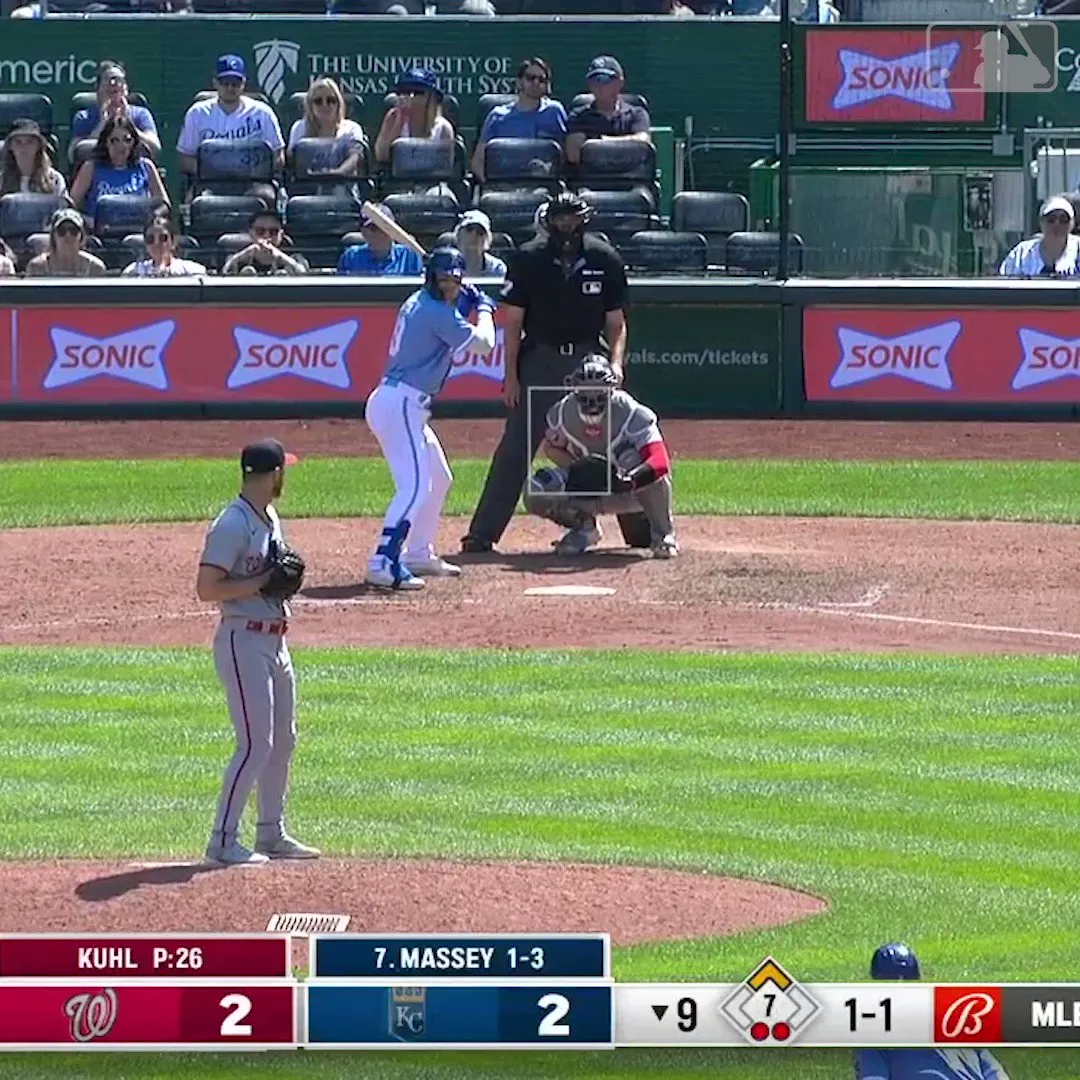
In the midst of these discussions, the Royals have also faced challenges on the field. They lost their opening series for the third consecutive year, with notable performances including Salvador Perez hitting the team’s first run of the year with a leadoff home run estimated at 390 feet. However, pitching struggles were evident, as Carlos Estévez had a poor outing, allowing four hits and two walks in just one-third of an inning.
As the Royals navigate these dual pressures of on-field performance and off-field logistics, they are also making strides in their broadcasting strategy. The team has announced a shift to a new streaming service, Royals.TV, set to launch in the 2026 season, with subscription costs starting at $99.99 for the season-long package. This move is part of a broader effort to engage fans and adapt to changing media consumption habits.
Looking ahead, observers are keenly watching how the Royals will proceed with their stadium plans. The urgency expressed by Sherman suggests that decisions will need to be made swiftly to avoid complications as the lease deadline approaches. The outcome of these deliberations will not only shape the future of the Royals but also influence the dynamics of Kansas City’s sports culture for years to come.