“I fully expected it,” remarked Nina Froes, reflecting on her abrupt dismissal from her role as an immigration judge. Froes, along with her colleague Roopal Patel, was fired by the Trump administration on April 12, 2026, a decision that underscores the ongoing tensions surrounding immigration policy in the United States.
The firings of Patel and Froes, both appointed by the Biden administration in 2024, came as part of a broader effort by the Trump administration to reshape the immigration courts. Their terminations were specifically linked to their decisions to block the deportations of pro-Palestinian students, including Rumeysa Ozturk and Mohsen Mahdawi, who were arrested by ICE for their advocacy.
Patel had ruled that there were no grounds to deport Ozturk, while Froes dismissed the deportation case against Mahdawi. These rulings were seen as a direct challenge to the administration’s push to deny asylum claims, a pressure that Patel admitted to trying to resist. “It was a pressure I at least tried to actively resist,” Patel stated, highlighting the difficult position judges face in the current political climate.
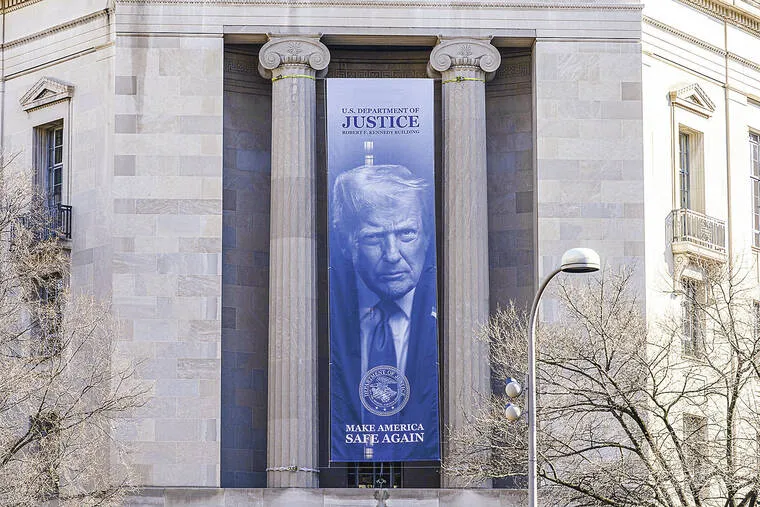
Since 2025, the Trump administration has dismissed over 100 immigration judges, a move that critics argue undermines judicial independence. The immigration judges, who work for the Justice Department, are hired and fired by the attorney general, making them particularly vulnerable to political influences. The firings of Patel and Froes occurred alongside the dismissal of four other judges, further indicating a systematic overhaul of the immigration judiciary.
Froes, who was conducting an asylum hearing when she received the news of her dismissal, expressed disbelief at the suddenness of the decision. The administration’s actions have raised concerns about the integrity of the immigration court system, with many advocates calling for greater judicial independence. “The judges there need more judicial independence,” Patel emphasized, reflecting a sentiment shared by many in the legal community.
Statistics reveal the stark contrast in asylum granting rates under different administrations. Patel granted asylum in 41.5% of her cases, while Froes granted asylum in 33% of hers, compared to an overall rate of just 18% for judges across the board. This disparity highlights the impact of judicial discretion and the varying approaches to immigration cases.
The firings of Patel and Froes not only signal a shift in immigration policy but also raise questions about the future of judicial independence in the face of political pressure. As the Trump administration continues to reshape the immigration courts, the implications for asylum seekers and the broader legal landscape remain significant.
As the situation develops, further statements from the administration and advocacy groups are anticipated, with many calling for a reevaluation of the current immigration policies and the treatment of judges within the system. The ongoing discourse around judicial independence and the rights of asylum seekers is likely to intensify in the coming weeks.