Before the issuance of the red flag warning on March 27, 2026, Minnesota was experiencing relatively mild conditions. However, as the day approached, forecasts indicated a significant shift in weather patterns, leading to heightened concerns about fire safety.
The decisive moment came when the National Weather Service announced that a red flag warning would be in effect for much of Minnesota from noon to 7 p.m. on Saturday, with portions of southern Minnesota under a warning from 10 a.m. to 9 p.m. The warning was prompted by critical fire weather conditions characterized by warmer temperatures, low relative humidity, and strong winds.
Specifically, wind gusts were expected to reach up to 45 mph in some areas, while humidity levels were projected to drop into the teens, with Rapid City forecasted to see humidity fall to just 17%. Such conditions create an environment where any fires that develop will spread rapidly, raising alarms among local authorities and residents alike.
As a direct effect of the warning, outdoor burning is not recommended, with officials urging caution. The warning encompasses areas including Wabasha, Dodge, Olmsted, Mower, and Fillmore in Minnesota, as well as parts of Iowa, highlighting the widespread nature of the threat.
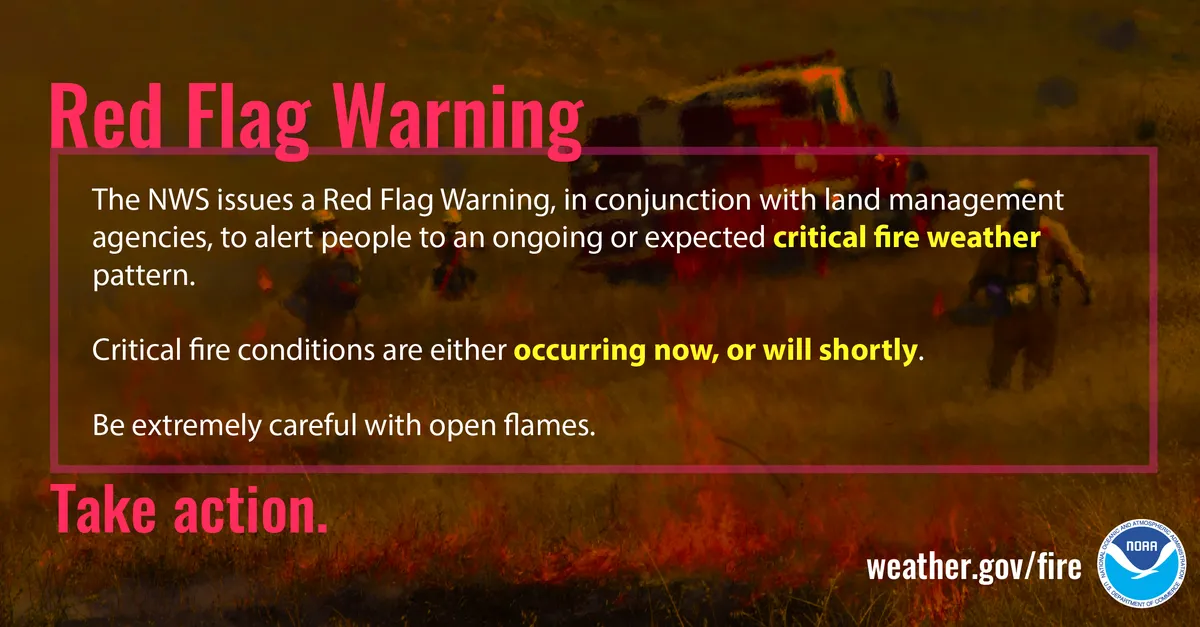
Experts emphasize that a red flag warning indicates that critical fire weather conditions are either occurring now or will shortly. This underscores the urgency for residents to remain vigilant and avoid activities that could ignite fires.
In light of these developments, the situation reflects a broader trend of increasing fire risks across much of the central United States, where warm weather and dry conditions have become more prevalent. The National Weather Service’s warnings serve as a crucial reminder of the potential dangers posed by such weather patterns.
As the day unfolds, authorities will continue to monitor conditions and provide updates. Residents are encouraged to stay informed and adhere to safety recommendations to mitigate the risk of fire incidents.