The Importance of Knowing Measles Symptoms
Measles is a highly contagious viral disease that can lead to severe health complications, especially in young children and those with compromised immune systems. The recent resurgence of measles outbreaks globally has highlighted the importance of understanding its symptoms and the need for vaccination.
Common Symptoms of Measles
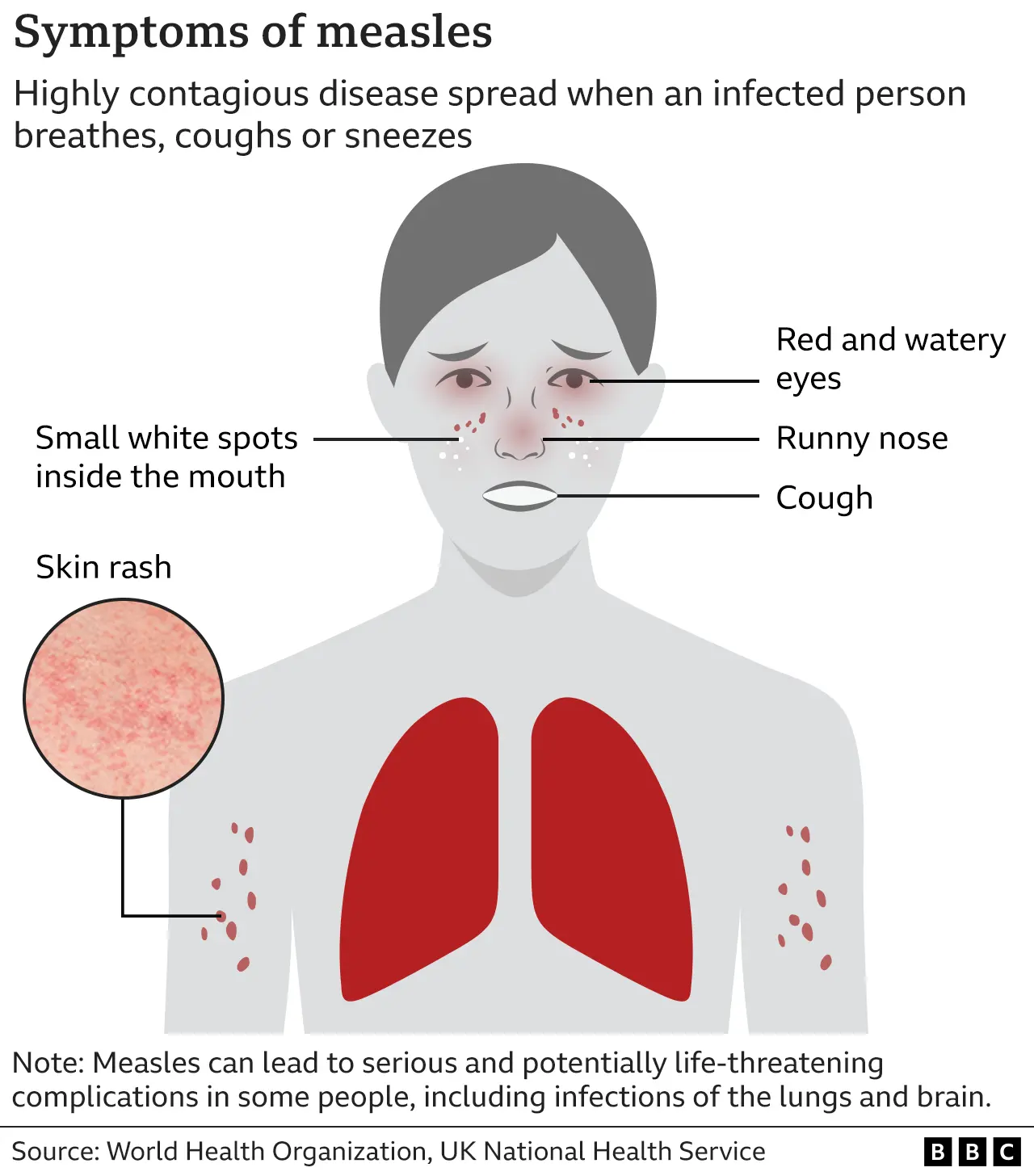
Measles symptoms typically appear 7 to 14 days after exposure to the virus. Initial symptoms include:
- Fever: A high fever lasting several days is usually the first sign.
- Cough: A dry, persistent cough follows the fever.
- Runny Nose: Nasal congestion and discharge can accompany the onset of the illness.
- Conjunctivitis: Inflammation of the eyes, leading to sensitivity to light and tearing.
- Koplik Spots: Tiny white spots may appear inside the mouth 2-3 days after the fever begins.
- Rash: A rash develops about 3-5 days after the first symptoms, starting at the hairline and spreading downwards across the body.
Complications Linked to Measles
While measles is often viewed as a childhood illness, it can cause significant health issues including pneumonia, encephalitis, and even death, particularly in unvaccinated populations. Understanding these symptoms is crucial for early detection and treatment.
Public Health Implications
Recent measles outbreaks in the United States and worldwide have been linked to declining vaccination rates. Public health officials stress that the best way to protect individuals and communities is through vaccination. The MMR vaccine, which protects against measles, mumps, and rubella, is recommended for children starting at 12 months old, with a booster typically given before entering school.
Conclusion
Recognizing the symptoms of measles is essential in controlling outbreaks of this preventable disease. Public awareness and education about vaccines will play a critical role in safeguarding community health. Parents and caregivers should be vigilant for any early signs of measles, ensuring timely medical intervention and protecting their families from serious complications.