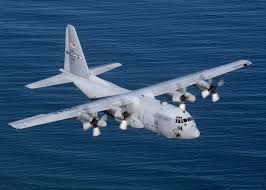
The Importance of Plane Technology
In an ever-evolving world, plane technology plays a crucial role in global connectivity, trade, and tourism. With air travel being vital for the economy and international relations, advancements in airplane technology significantly influence efficiency, safety, and environmental sustainability.
Recent Developments
Recently, several aviation companies have introduced groundbreaking advancements that promise to reshape the future of air travel. Noteworthy among these is Boeing’s new 777X, which boasts advanced wing technology to enhance fuel efficiency and reduce emissions. With a wing span of 235 feet, the 777X incorporates foldable wingtips, allowing it to use smaller airport gates while providing passenger comfort.
Another major player, Airbus, has unveiled plans for the A321XLR which aims to offer longer non-stop flights with fewer emissions. This development caters to the growing demand for longer routes, allowing airlines to connect previously underserved markets.
Sustainability Efforts
Sustainability remains a primary focus in the aviation industry. The International Air Transport Association (IATA) has reported that airlines are aiming for net-zero carbon emissions by 2050. As part of this initiative, many companies are investing in sustainable aviation fuels (SAFs) and electric aircraft. Notably, companies like Rolls-Royce and EasyJet have begun testing electric propulsion systems designed for short-haul flights, demonstrating a commitment to reducing the industry’s carbon footprint.
Impacts of Technology on Safety
Enhancements in technology also contribute to aviation safety. The introduction of advanced radar systems and artificial intelligence for air traffic management is revolutionizing how we monitor and manage airspace. Such systems are designed to predict traffic patterns and prevent collisions, ensuring safer flights for passengers and crews alike.
Conclusion: The Future of Aviation
The future of aviation and plane technology appears bright, with innovations promising to enhance efficiency, safety, and sustainability. As these advancements become integrated into the industry, they not only improve the passenger experience but also address critical environmental challenges. The ongoing commitment of aviation stakeholders to innovate ensures that air travel remains an integral part of modern life while adapting to the urgent needs of our planet.