Introduction
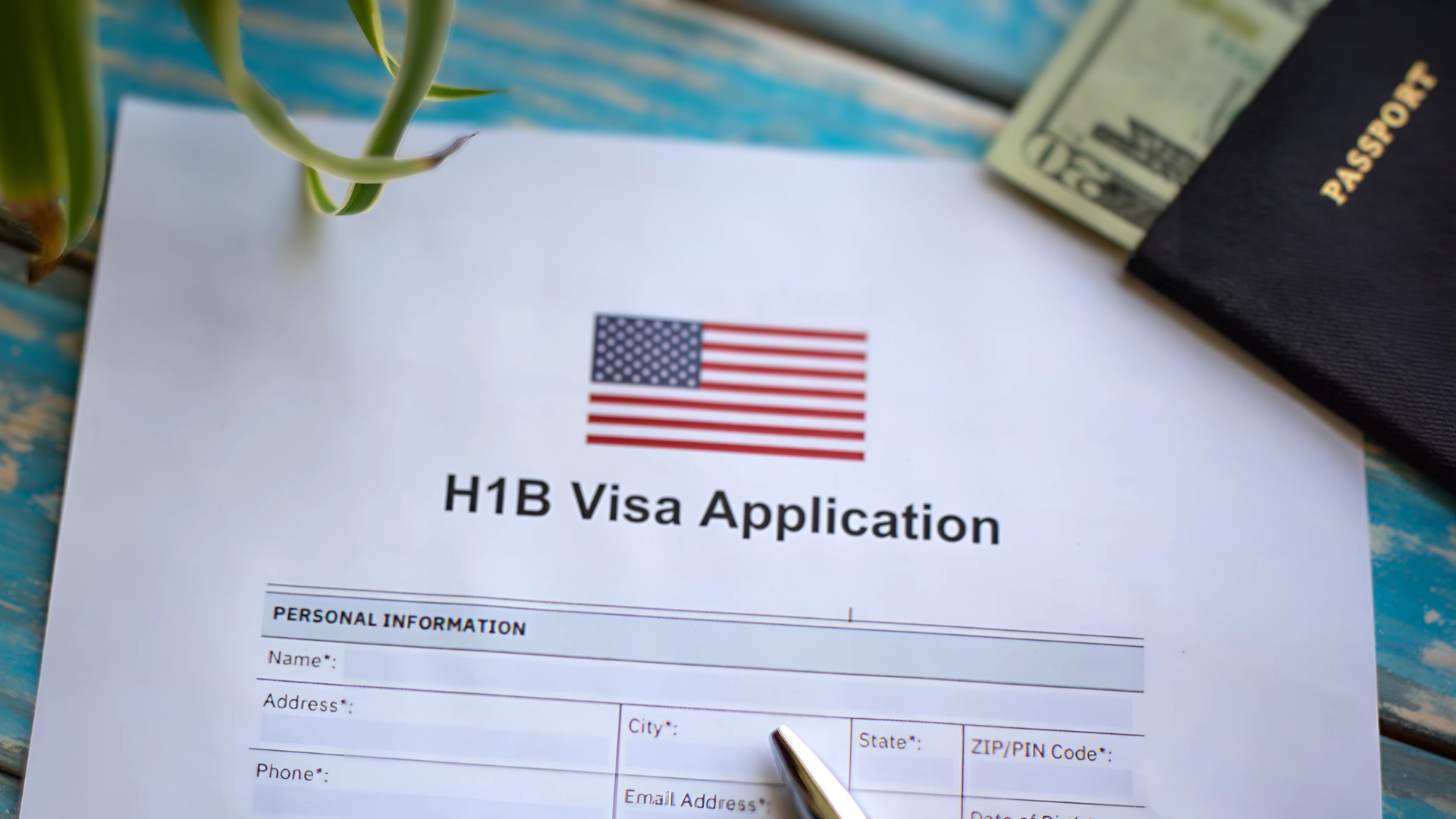
The H1B visa program has long been a significant avenue for skilled foreign workers to gain employment in the United States. With the recent proposal and discussions surrounding the H1B visa bill, this topic has gained renewed importance among job seekers, employers, and policymakers. The outcomes of this bill could reshape the landscape for work visas and impact the U.S. economy significantly.
Current Developments
As of October 2023, lawmakers are debating a new H1B visa bill aimed at reforming various aspects of the existing program. This bill, which has garnered bipartisan support, seeks to streamline the application process and make changes to the lottery system that allocates these visas. Currently, the H1B visa is capped at 65,000 annual grants, with an additional 20,000 reserved for workers with advanced degrees from U.S. institutions. However, the demand for skilled labor continues to outpace the available visas, leading to a significant backlog.
Key Features of the Bill
Some pivotal elements of the proposed H1B visa bill include:
- **Accrual System**: A merit-based system for evaluating H1B applications that rewards employers based on their commitment to higher salaries and long-term employment contracts.
- **Increased Cap**: A proposal to raise the annual cap on H1B visas, aiming to meet the increasing demand in sectors like technology, healthcare, and engineering.
- **Decreased Processing Times**: Implementing measures to expedite the processing of visa applications to reduce the backlog and provide quicker access for foreign workers.
- **Pathway to Permanent Residency**: Providing more straightforward pathways for those on H1B visas to gain permanent residency status, which can help retain talent in the U.S.
Impact on the Job Market and Economy
The potential changes contained within the H1B visa bill are expected to have wide-ranging effects on both the job market and the economy at large. Advocates argue that increasing the number of H1B visas available will help fill critical skills gaps in the labor market, especially in high-demand industries. Companies that rely on tech talent, for instance, express concern that restrictive policies may hinder their growth and competitiveness on a global scale.
Conclusion
As discussions around the H1B visa bill evolve, it remains clear that the decision will have significant ramifications not only for foreign workers seeking opportunities in the United States but also for employers who depend on their skills and expertise. Stakeholders are advised to stay informed about the outcomes of this legislative process, as it can influence hiring practices and the overall workforce landscape in the coming years. With the economy’s demands shifting, adapting visa policies could prove essential for the U.S. to maintain its position as a leader in innovation and development.