Introduction
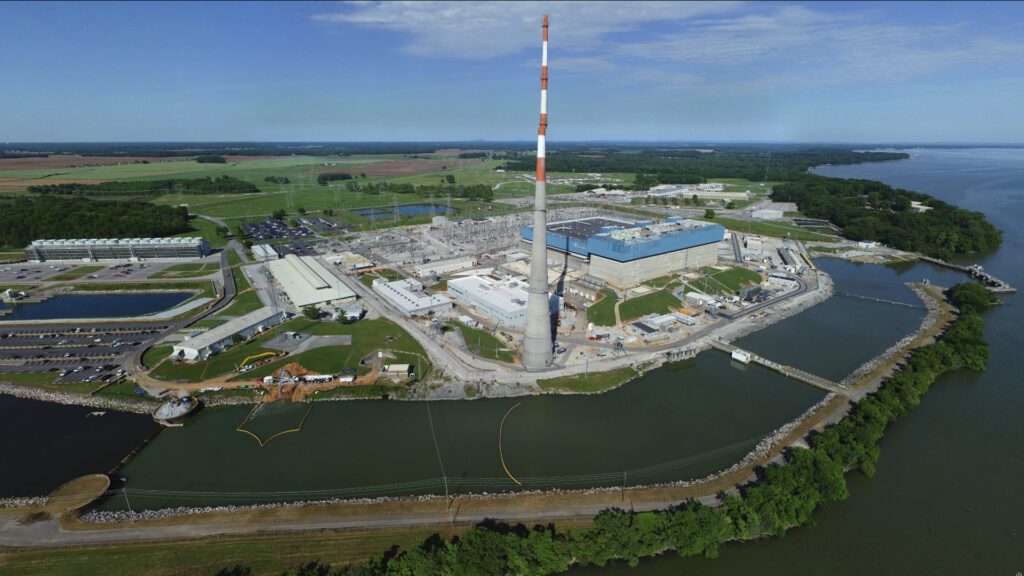
The Tennessee Valley Authority (TVA) Browns Ferry Nuclear Plant, located in Alabama, plays a pivotal role in powering the southeastern United States. As one of the largest nuclear power plants in the region, it has been at the forefront of discussions regarding energy production, sustainability, and safety in light of recent events. The relevance of this facility extends beyond immediate energy needs; it impacts local economies, environmental policies, and energy strategies throughout the area.
Current Events and Developments
Recently, the Browns Ferry Nuclear Plant has garnered attention due to its ongoing upgrades and safety evaluations. In light of a renewed focus on nuclear energy as a cleaner alternative to fossil fuels, the TVA has initiated several projects aimed at enhancing operational efficiency and safety standards. In September 2023, the plant completed an extensive refurbishment of its reactor systems, which included the replacement of aging components and the implementation of new monitoring technology. These upgrades are intended to extend the operation life of the facility and reaffirm its commitment to safety amidst rising energy demands.
In addition to mechanical improvements, the TVA also announced a plan to conduct additional emergency preparedness drills in collaboration with local agencies. This move is in response to increased scrutiny from regulatory bodies and the general public regarding nuclear safety protocols. The plant’s management emphasized that these proactive measures not only ensure compliance with federal safety standards but also enhance community outreach and preparedness in case of emergencies.
Environmental and Economic Impact
The environmental implications of the Browns Ferry Nuclear Plant are significant as the TVA aims to reduce its carbon footprint and transition towards more sustainable energy sources. Nuclear energy is often viewed as a vital part of this transition, providing a steady and reliable power supply with minimal greenhouse gas emissions compared to traditional coal and natural gas plants. As the demand for cleaner energy continues to grow, the TVA’s commitment to modernizing their facilities aligns with national goals of achieving net-zero emissions by 2050.
Conclusion
The Browns Ferry Nuclear Plant remains a critical asset to the Tennessee Valley Authority, particularly as energy needs evolve in the context of climate change and increasing regulation. The ongoing upgrades and focus on safety reaffirm its role in the future of energy production in the Southeast. As more emphasis is placed on sustainable practices, the TVA’s strategy with the Browns Ferry plant may serve as a model for other nuclear facilities nationwide. Continued public discourse and governmental oversight will play a vital role in shaping the operational landscape of nuclear energy moving forward.