Introduction
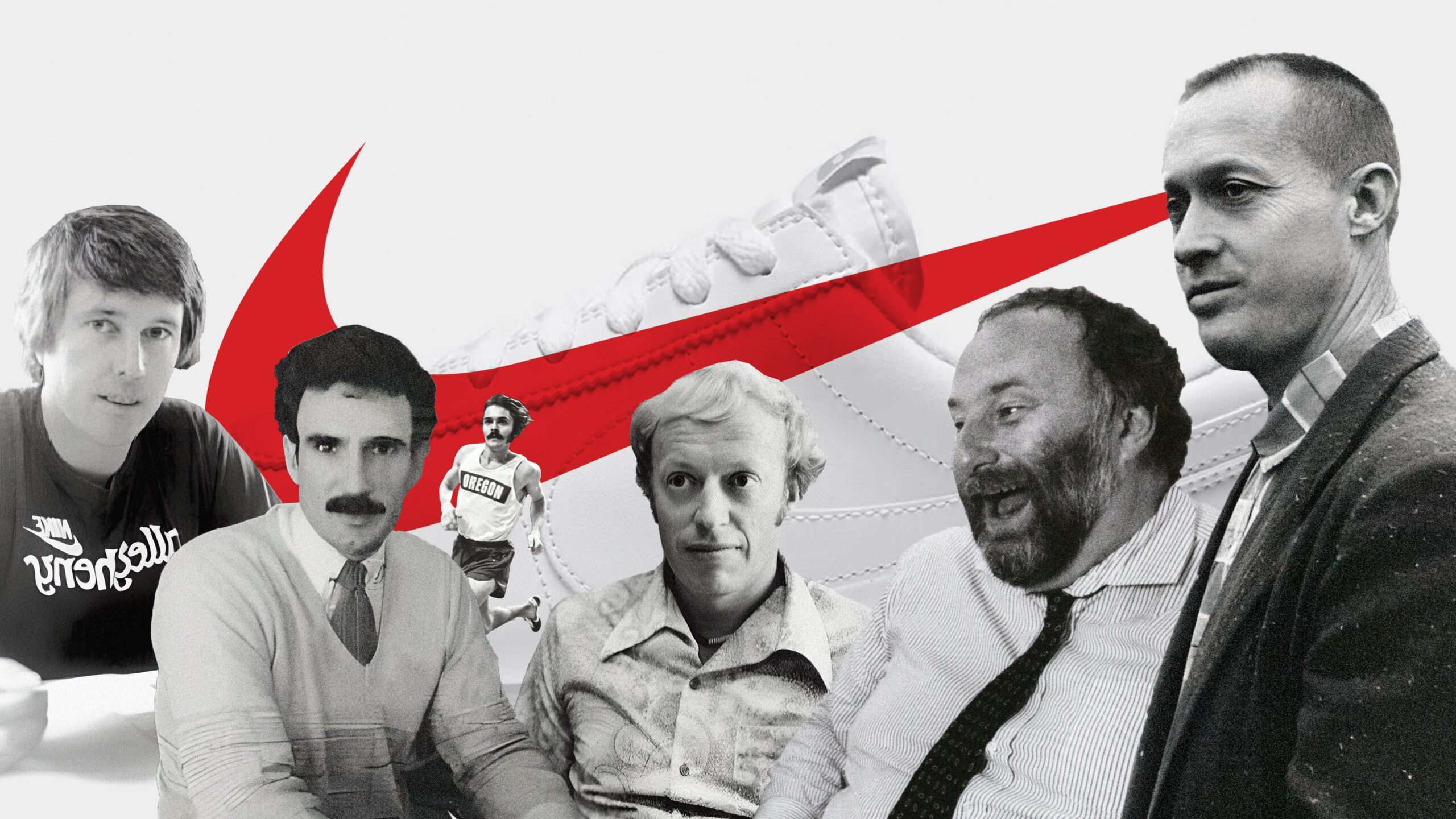
Phil Knight, co-founder of the globally renowned sportswear company Nike, is an emblematic figure in the world of business and innovation. His journey from a small startup to a leading brand in athletic apparel and footwear represents not only the triumph of entrepreneurship but also a shift in consumer culture. Understanding Phil Knight’s life and the evolution of Nike gives insight into the strategies that have kept the brand at the forefront for decades.
Early Life and Education
Born on February 24, 1938, in Portland, Oregon, Phil Knight pursued his education at the University of Oregon, where he became a middle-distance runner. He later earned an MBA from Stanford University, where he penned a paper that proposed importing athletic shoes from Japan to compete with established American brands. This idea would ultimately lay the groundwork for what would become Nike.
The Birth of Nike
In 1964, Knight teamed up with his former track coach, Bill Bowerman, to establish Blue Ribbon Sports. Initially serving as a distributor for the Japanese shoemaker Onitsuka Tiger, the company started as a modest venture selling shoes out of Knight’s car at track meets. However, in 1971, they decided to create their own line of footwear, rebranding as Nike, named after the Greek goddess of victory. The now iconic Swoosh logo was designed by a graphic design student, Carolyn Davidson, for merely $35.
Nike’s Ascendancy
Under Knight’s leadership, Nike embraced innovative marketing strategies, including endorsements from prominent athletes such as Michael Jordan and Serena Williams. The launch of the Air Jordan line in 1984 transformed the sneaker market and established Nike as a cultural icon. By continuously pushing for design excellence and capitalizing on branding, Knight propelled Nike into a multi-billion-dollar enterprise.
Legacy and Influence
As of today, Phil Knight’s impact extends beyond mere profits. Nike has become a symbol of athletic achievement and lifestyle branding. In addition to his business acumen, Knight is known for his philanthropy, particularly in education and community building. His autobiography, “Shoe Dog,” published in 2016, has provided an insider’s look at the trials and successes of building a global brand.
Conclusion
Phil Knight’s journey illustrates the power of vision coupled with resilience and creativity in business. His accomplishments with Nike have not only reshaped the sportswear industry but have also influenced marketing, endorsements, and consumer engagement on a massive scale. As the company continues to innovate and adapt to market changes, the legacy of Phil Knight serves as a cornerstone and inspiration for future entrepreneurs.