Introduction
The fitness industry has undergone significant changes in recent years, and Peloton has emerged as a key player in this transformation. Established in 2012, Peloton has redefined how people view and engage in home workouts. With its high-tech stationary bikes, treadmills, and a commitment to producing quality virtual fitness classes, Peloton is not just a product but a lifestyle. The relevance of Peloton has grown tremendously, particularly during the COVID-19 pandemic, when many fitness enthusiasts sought alternatives to traditional gym environments.
Peloton’s Rise in Popularity
Peloton has seen an impressive surge in its user base. As of 2023, the company reported over 3 million subscriptions, a significant increase from previous years. This growth can be attributed to the company’s innovative business model, which combines hardware sales with digital subscriptions, providing users with unlimited access to a variety of live and on-demand classes. Peloton offers sessions ranging from cycling to yoga and strength training, all led by professional instructors who help create a sense of community among users.
The pandemic accelerated the shift towards home fitness, as gyms closed and people were forced to adapt. Peloton capitalized on this, creating an inclusive online community where users share their fitness journeys, challenges, and achievements. This sense of belonging has been vital in retaining subscribers, evidenced by high levels of member engagement and participation in virtual events.
Technological Innovations
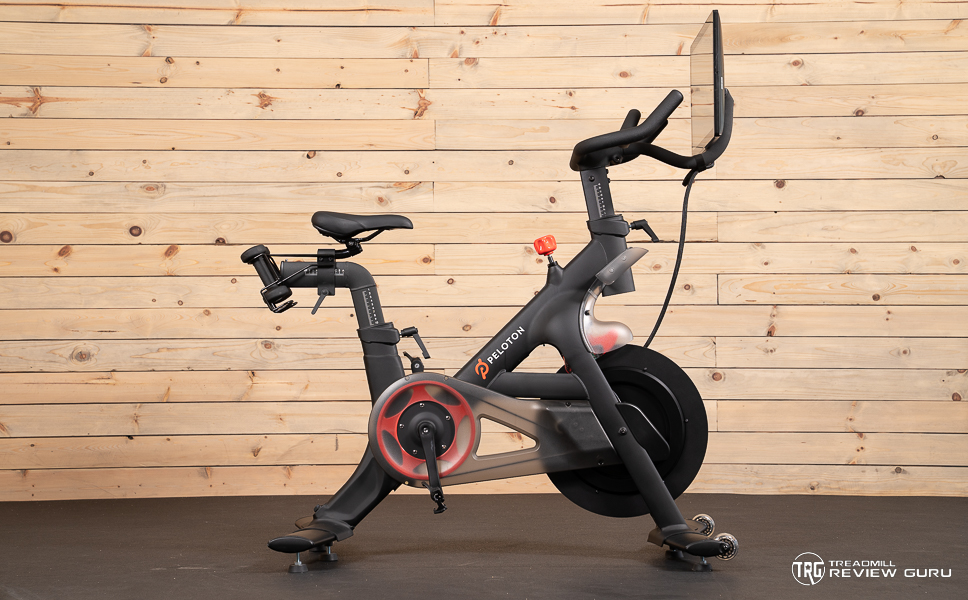
One of the significant aspects that sets Peloton apart from its competitors is its integration of technology within the fitness domain. The Peloton bike features a large touchscreen that displays live metrics and allows users to compete with each other during rides. With the company’s recent updates, they have also introduced features like live leaderboard competitions and personalized workout recommendations based on user performance.
Additionally, Peloton has expanded its product line to include the Peloton Tread and a selection of smarter accessories aimed at enhancing users’ home workout experience. The app, available across different devices, also allows broader accessibility to those who may not own the equipment, making it easier for anyone to join the Peloton community.
Conclusion
Peloton’s innovative approach has significantly impacted the fitness landscape, demonstrating the potential of technology in enhancing the home workout experience. As more individuals prioritize health and fitness, particularly in the wake of the pandemic, Peloton is well-positioned for continued growth. The company’s commitment to fostering community, blending technology with fitness, and adapting to user needs will be critical in maintaining its market position. For fitness enthusiasts looking for a dynamic and engaging way to achieve their health goals, Peloton presents a compelling option that is likely to remain relevant for years to come.