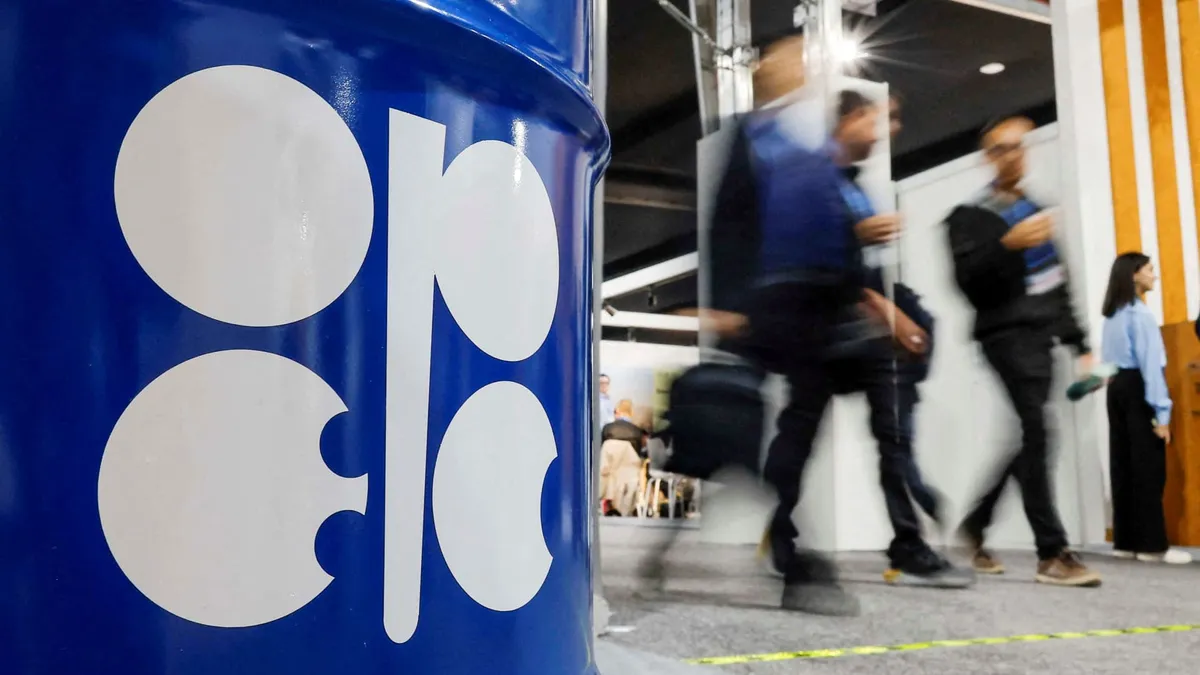
The United Arab Emirates has announced its decision to leave OPEC, with the exit set to take effect on May 1, 2026. This move marks a significant shift in the oil cartel’s dynamics, particularly given the UAE’s long-standing role within the organization since its inception in 1971.
Prior to this announcement, the UAE had been one of OPEC’s key players, ranking third in oil output behind Saudi Arabia and Iraq. The country’s decision to withdraw stems from a desire for greater flexibility in managing its oil production, as sources say it intends to align its energy policies more closely with its national economic goals.
On May 1, 2026, the UAE will officially exit OPEC, ending almost six decades of membership. This decision was characterized by UAE officials as a “sovereign national decision” that reflects their evolving energy profile and long-term strategic vision.
The timeline leading up to this announcement included no prior consultation with other OPEC members, including Saudi Arabia, which may raise questions about potential strains within the cartel. Analysts suggest that this unilateral approach could indicate shifting alliances and priorities among oil-producing nations.
Key facts about the UAE’s departure:
- The United Arab Emirates has been a member of OPEC since its creation as a sovereign nation in 1971.
- The UAE’s oil output was the third largest in OPEC, behind Saudi Arabia and Iraq.
- The decision allows the UAE greater flexibility to increase its oil output without being bound by OPEC’s production limits.
- Experts predict that this exit will weaken OPEC’s ability to control the global oil market.
As global energy demand continues to evolve, particularly with increasing pressures for sustainable practices, this departure could have far-reaching implications not only for OPEC but also for energy markets at large. The Strait of Hormuz remains a critical chokepoint for oil transportation; thus, changes in production strategies by major players like the UAE may further influence regional stability and pricing dynamics.
In light of these developments, industry observers will be closely monitoring how this shift impacts not only OPEC but also broader global energy supply chains moving forward.