The numbers
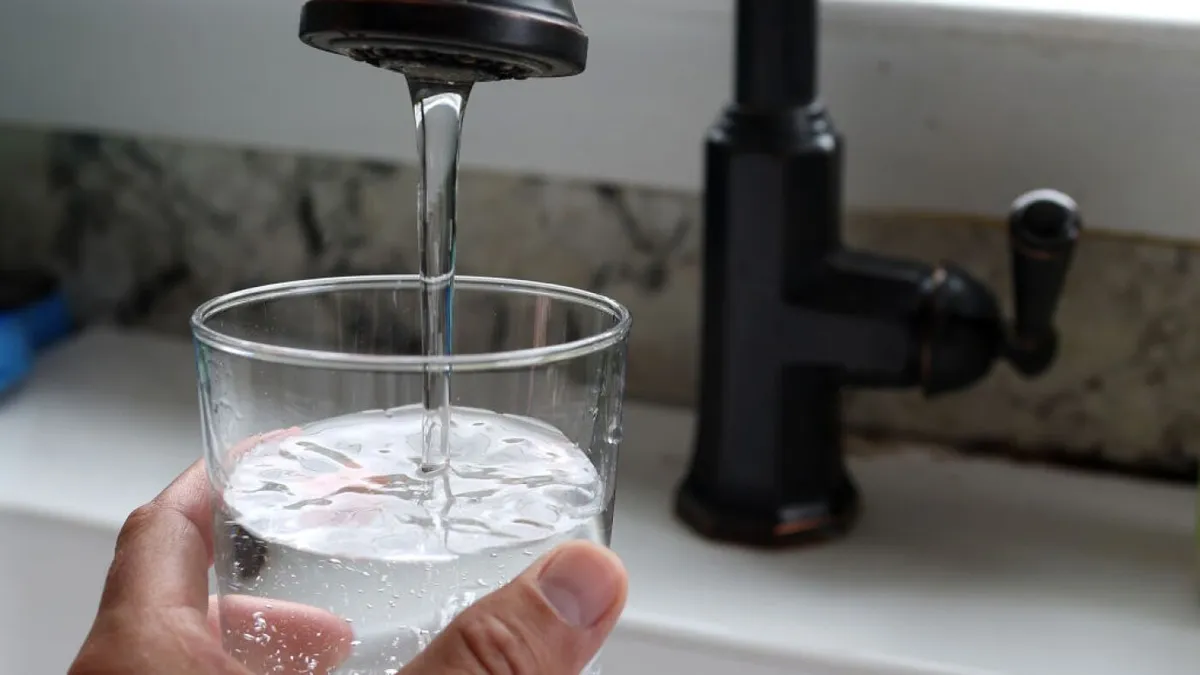
The U.S. Environmental Protection Agency (EPA) has made a significant move by placing microplastics and pharmaceuticals on its draft list of contaminants in drinking water for the first time. This decision comes as part of a broader effort to address public health concerns, with EPA Administrator Lee Zeldin stating, “This is a direct response to the concern of millions of Americans, who have long demanded answers about what they and their families are drinking every day.” The draft Contaminant Candidate List, which will be open for public comment for 60 days, highlights the growing urgency surrounding these pollutants.
In conjunction with this announcement, the Department of Health and Human Services has introduced a $144 million initiative known as STOMP (Strategic Monitoring of Plastics) aimed at measuring and monitoring microplastics in drinking water. Health Secretary Robert F. Kennedy Jr. remarked, “Today we mark a turning point — the EPA and HHS are acting together to confront microplastics as a human health threat.” This initiative will design experiments to understand the effects of microplastics within the human body, further emphasizing the potential risks these contaminants pose.
Microplastics and pharmaceuticals now appear alongside other well-known contaminants such as PFAS (per- and polyfluoroalkyl substances) on the draft list. This inclusion is particularly notable given the historical context of environmental regulation in the United States. The Trump administration faced criticism for rolling back regulations on toxic chemicals, which has heightened the demand for stricter oversight from environmental groups. These groups have long petitioned the EPA to add microplastics to the Unregulated Contaminant Monitoring Rule, reflecting a growing consensus on the need for comprehensive water safety measures.
As the EPA prepares to finalize its Contaminant Candidate List, the implications of this draft are significant. The inclusion of microplastics and pharmaceuticals signals a shift in regulatory priorities, focusing on contaminants that have been largely overlooked in the past. Environmental advocates like Mary Grant have emphasized the importance of understanding the scope of the crisis, stating, “We need to understand the scope of the crisis in our drinking water.” This sentiment resonates with many Americans who are increasingly concerned about the safety of their drinking water.
The public comment period will allow citizens to voice their opinions and concerns, potentially influencing the final version of the Contaminant Candidate List. This participatory approach is crucial in shaping environmental policy, as it empowers communities to engage directly with regulatory processes. However, some experts, like Katherine O’Brien, have expressed skepticism, suggesting that the initiative may be more about public relations than substantive change, stating, “I think it’s fair to call this theater.”
As the EPA and HHS move forward with their initiatives, observers are keenly watching to see how these developments will translate into actionable regulations. The draft list represents a critical juncture in the ongoing battle against environmental contaminants, and the outcomes of the public comment period will be pivotal in determining the future of drinking water safety in the United States.
Details remain unconfirmed regarding the specific timeline for implementing any new regulations stemming from this draft list. However, the momentum generated by this announcement indicates a growing recognition of the need to address the presence of microplastics and pharmaceuticals in drinking water, a concern that is likely to remain at the forefront of public health discussions in the years to come.