Introduction
The National Oceanic and Atmospheric Administration (NOAA) has released its winter forecast for 2023-2024, which is particularly significant as it aids both individuals and businesses in preparing for the colder months ahead. Understanding these forecasts helps to anticipate potential changes in weather patterns, temperature fluctuations, and precipitation levels that may affect daily life, agriculture, and energy consumption.
Temperature Trends
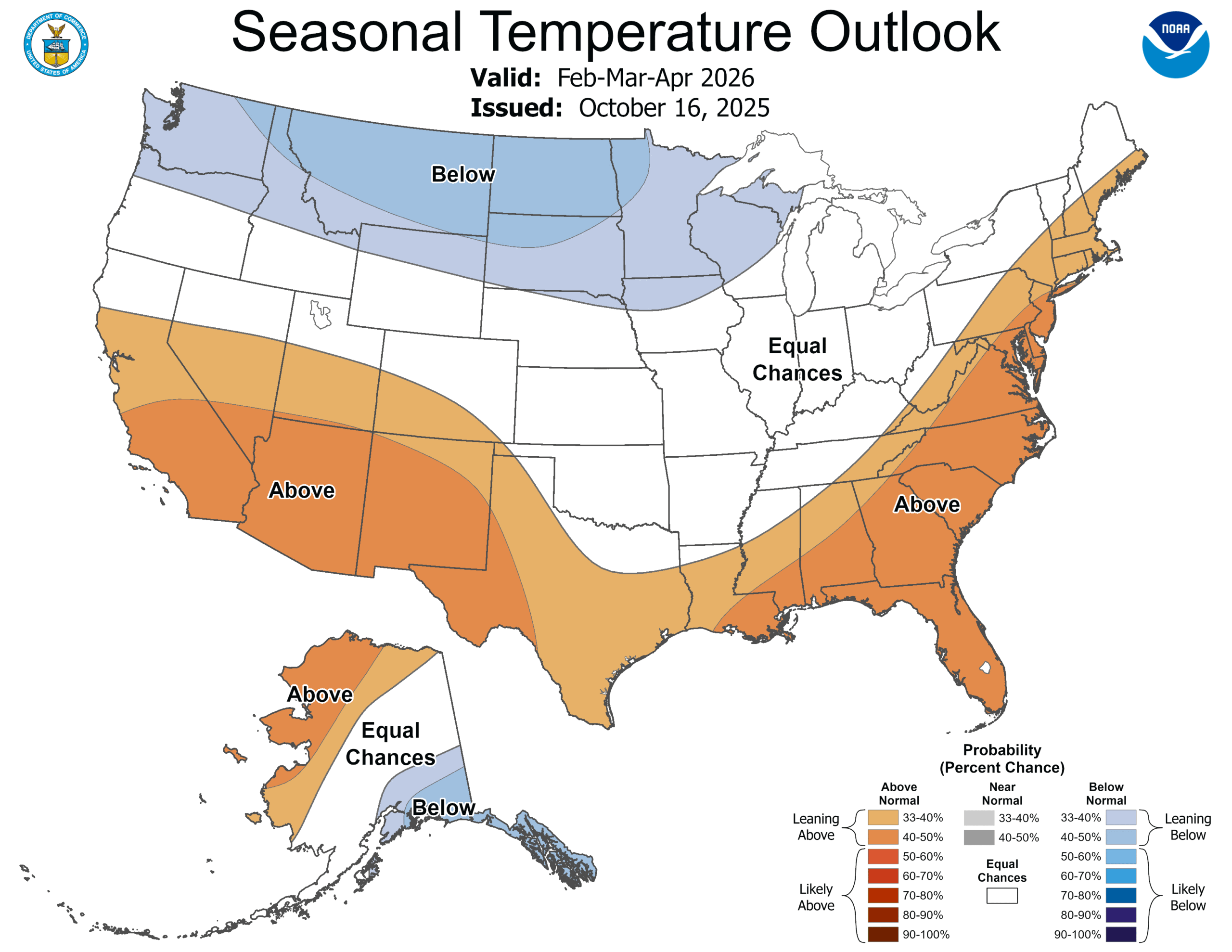
According to NOAA’s projections, the upcoming winter is expected to feature above-average temperatures across much of the northern U.S., while the southern states are predicted to experience near-normal temperatures. This shift can be attributed to ongoing climate patterns such as El Niño, which is influencing weather conditions globally. El Niño typically causes warmer winters across the northern United States, creating a diverse set of conditions that can impact various regions differently.
Precipitation Levels
In terms of precipitation, NOAA suggests that the Pacific Northwest and parts of the Northern Rockies will see above-average rainfall and snowfall, benefiting water resources and potentially alleviating drought conditions in these areas. Conversely, regions like the Southwest might experience drier-than-normal conditions, which could exacerbate ongoing drought challenges. The Great Plains and Midwest, in particular, are likely to see mixed precipitation with significant snowfall expected in certain areas.
Forecast Significance
The implications of this forecast extend beyond mere weather predictions. Farmers may adjust their planting schedules; energy companies must prepare for varying demands; and municipalities need to consider snow removal and emergency services. Moreover, public health officials may need to strategize against potential weather-related impacts on vulnerable populations, such as the elderly and those with preexisting health conditions.
Conclusion
As winter approaches, NOAA’s 2023-2024 winter forecast underscores the importance of planning and preparedness. With distinct climatic variations expected across the country, various sectors must stay informed and proactive. By closely monitoring NOAA updates and taking necessary precautions, individuals and communities can navigate the upcoming winter effectively while mitigating the adverse impacts of fluctuations in weather patterns.