Introduction to NFC Technology
Near Field Communication (NFC) technology is rapidly gaining traction as a significant player in the world of contactless communication. In an age where convenience and speed are at the forefront of consumer preferences, NFC provides a seamless and hassle-free way to make transactions, share information, and connect devices. Its relevance has surged, especially in light of increased contactless payment adoption and digital wallets during the pandemic.
What is NFC?
NFC is a set of communication protocols that enable two electronic devices, typically mobile devices, to communicate with each other when they are brought within close proximity (usually 4 inches or less). It operates on the principles of radio frequency identification (RFID) and allows exchange of data between devices without the need for pairing or a physical connection.
Current Trends in NFC Technology
Recent reports from research firms indicate that the global NFC market is expected to reach approximately $34 billion by 2026, growing at a compound annual growth rate (CAGR) of around 20%. This growth is primarily fueled by the increasing use of mobile wallets and payment apps, such as Apple Pay and Google Wallet, which utilize NFC technology for quick and secure transactions.
Moreover, retailer adoption of NFC-enabled point-of-sale (POS) systems has surged, allowing for quicker checkout processes and minimizing physical contact. During the COVID-19 pandemic, the demand for contactless solutions led many businesses to expedite the integration of NFC systems into their operations.
NFC Beyond Payments
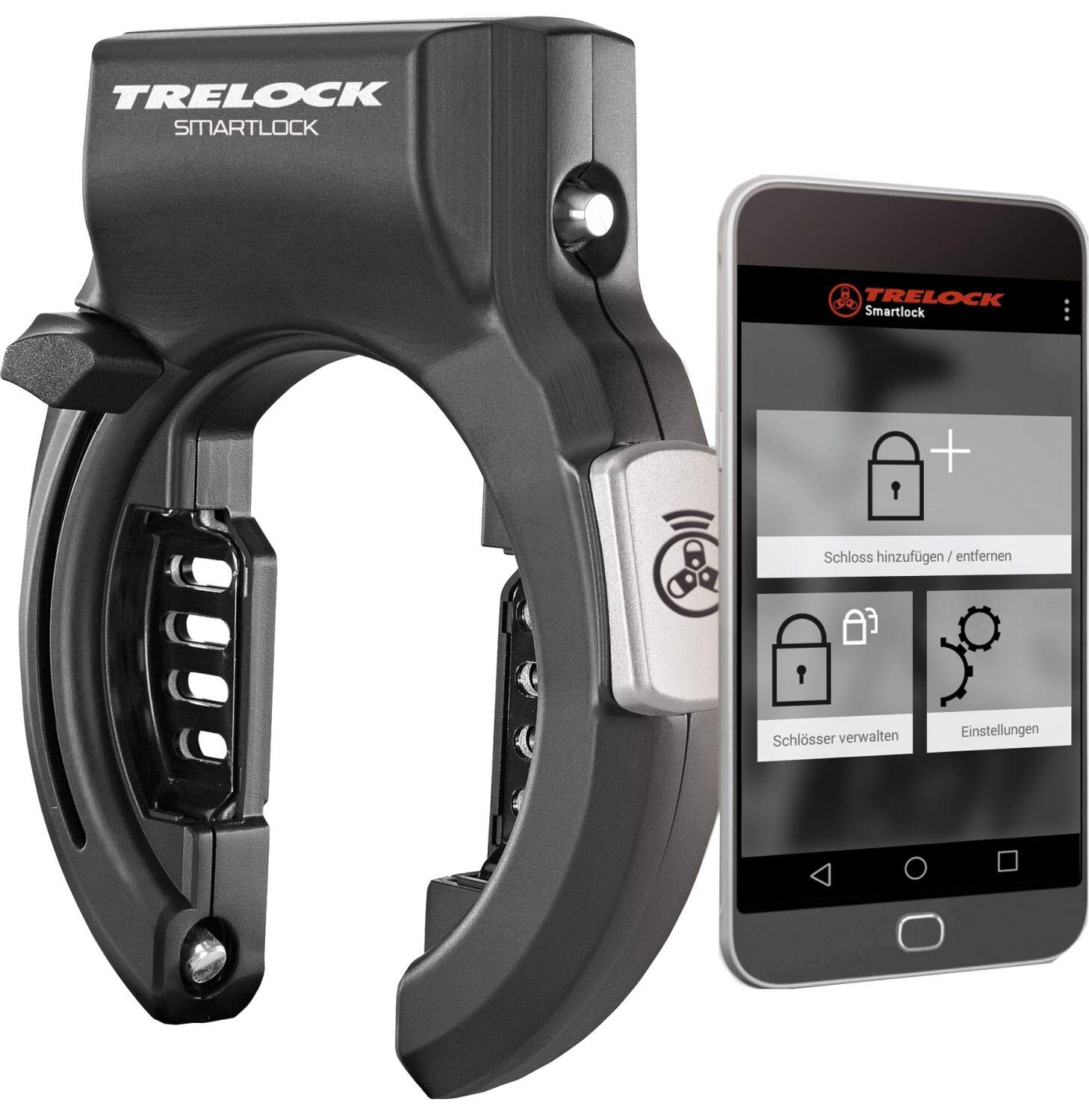
While NFC is widely recognized for its role in contactless payments, its applications extend far beyond that. NFC technology is utilized for quick pairing of devices, ticketing for public transportation, smart advertising by tapping on posters or ads to retrieve information, and access control in smart buildings and security systems. Furthermore, NFC tags are gaining traction for tracking inventory and enhancing product information availability to consumers.
Conclusion and Future Outlook
The rise of NFC technology signifies a substantial shift toward a more interconnected and user-friendly digital environment. Its versatility in facilitating payments, data transfer, access control, and more suggests that its use will only continue to grow in various sectors of society.
As technology advances and consumer behaviors shift towards seeking greater convenience and efficiency, the future of NFC looks promising. Businesses and consumers alike stand to benefit from its continued development and integration into everyday applications. Embracing NFC technology not only makes transactions more effortless but also paves the way for innovative solutions that enhance user experiences in our increasingly digital world.