Introduction
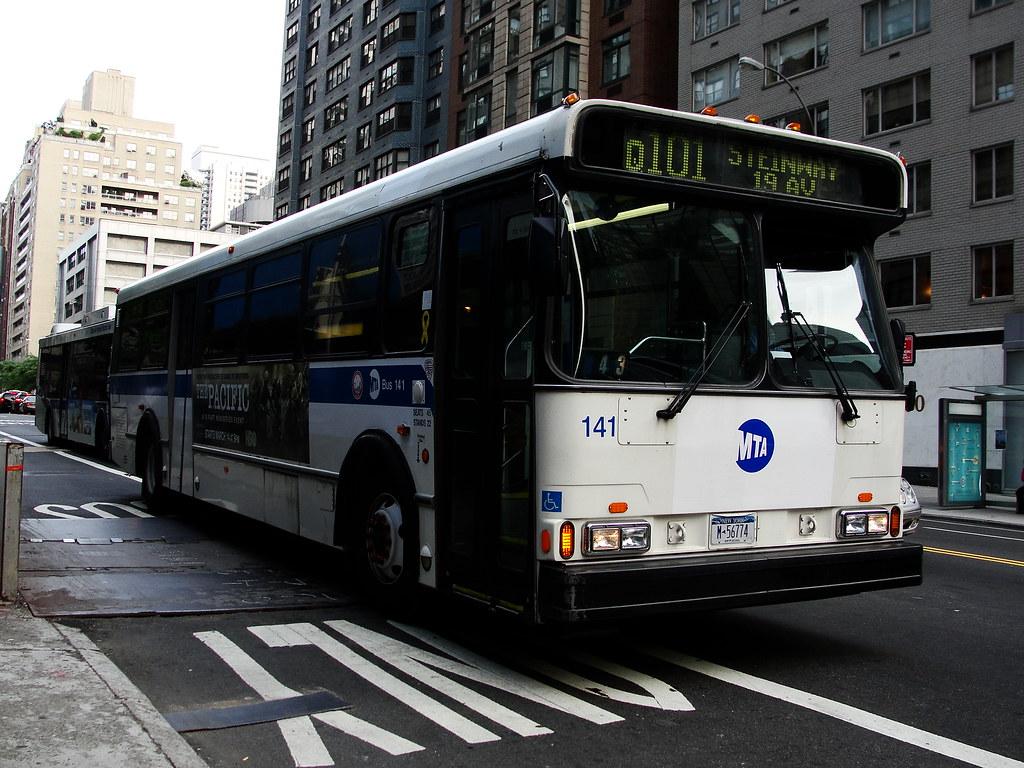
The Metropolitan Transportation Authority (MTA) is the largest public transit network in the United States, serving millions of commuters in New York City and its surrounding areas. As the backbone of public transportation, the MTA plays a crucial role in the daily lives of countless residents and visitors. Recent events have brought both new challenges and exciting innovations to the forefront of the agency’s operations, making it a critical topic of discussion among urban planners, commuters, and policy-makers alike.
Current Innovations
One of the most significant developments within the MTA is its ongoing commitment to modernization and innovation. Recently, the MTA announced the deployment of new, contactless fare payment systems aimed at improving the rider experience and increasing efficiency. This move follows a broader trend of adopting technology-driven solutions across public transit systems globally. The MTA’s introduction of the OMNY system allows riders to tap their credit or debit cards to pay for subway and bus fares, significantly streamlining the payment process.
Additionally, the agency is investing in smart transit solutions such as real-time tracking apps. These tools provide commuters with up-to-the-minute information about train and bus locations, which enhances the overall transit experience. The MTA has also incorporated enhanced safety measures and protocols in response to the ongoing COVID-19 pandemic, ensuring that public transit remains safe and accessible.
Challenges Ahead
Despite these advancements, the MTA continues to face substantial challenges. Financial strain resulting from the pandemic has led to a steep decline in ridership, which in turn impacts revenue—an issue MTA officials are scrambling to address. The agency has projected a budget deficit reaching billions of dollars over the coming years. This financial concern threatens essential transit services and has raised discussions about potential fare hikes and service reductions.
Moreover, the MTA has been grappling with the aging infrastructure of its subway and bus systems. Frequent delays and maintenance issues remain a point of frustration for daily commuters, highlighting the urgent need for extensive repairs and upgrades. The agency has pledged to prioritize infrastructure improvements, but securing funding for these extensive projects poses a significant challenge amid economic instability.
Conclusion
The MTA stands at a crossroads, balancing the necessity for innovation with the pressing challenges of financial sustainability and infrastructure maintenance. As the public transit agency seeks to improve its services and embrace technology, the future of the MTA will rely heavily on collaboration between government entities, urban planners, and the public. With ongoing discussions about funding, user experience, and safety protocols, the MTA’s actions in the coming years will significantly impact New Yorkers and set a precedent for transit systems across the country.