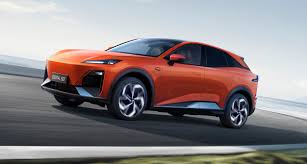
The Importance of the Car Industry
The car industry is a critical component of the global economy, providing jobs to millions and driving technological advancements. As of 2023, the sector is undergoing significant changes as it adapts to consumer preferences, environmental concerns, and regulatory pressures. Understanding these trends is essential for both industry stakeholders and consumers.
Shift Towards Electric Vehicles
One of the most significant trends in the car industry is the rapid shift towards electric vehicles (EVs). In the United States, EV sales accounted for nearly 6% of total vehicle sales in the first half of 2023, up from 4.5% in 2022. This increase is largely driven by advancements in battery technology, government incentives, and a growing consumer interest in sustainable transportation options.
Technological Advancements
Beyond the move to electric powertrains, the industry is also witnessing remarkable technological advancements. Automakers are integrating advanced driver-assistance systems (ADAS) into their vehicles, which enhance safety and convenience. Features such as adaptive cruise control, lane-keeping assist, and emergency braking are becoming standard, making cars smarter and more appealing to consumers.
Supply Chain and Production Challenges
Despite these advancements, the car industry continues to face challenges, particularly in supply chain and production. The ongoing global semiconductor shortage, which began in 2020, still affects car manufacturers, leading to production delays and increased vehicle prices. As of August 2023, experts project that it may take another year for the semiconductor supply to stabilize completely.
Market Outlook
Looking ahead, industry analysts forecast a strong recovery for the car market as supply chain issues ease and EV infrastructure expands. According to a report by McKinsey & Company, the global automotive market is expected to grow by 5% in 2024, mainly fueled by the increasing adoption of electric vehicles and connected cars. Analysts suggest that companies that innovate and adapt to these changes will thrive in this competitive environment.
Conclusion
The car industry is currently at a pivotal point, characterized by significant shifts toward electric vehicles and enhanced technology. Consumers can expect more varied options as the market grows, while manufacturers will continue to innovate to meet demand. Understanding these trends not only informs purchasing decisions but also plays a role in shaping the future of transportation.