Introduction
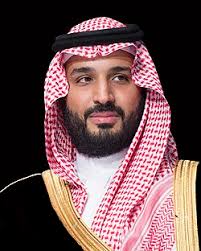
Mohammed Bin Salman, Crown Prince of Saudi Arabia, has emerged as a central figure in global politics, known for his ambitious Vision 2030 initiative aimed at transforming the Kingdom’s economy and society. His leadership style and policies have garnered both admiration and criticism, making his role crucial not only in regional politics but also in global affairs.
Vision 2030: A New Saudi Arabia
Launched in April 2016, Vision 2030 is a strategic framework designed to reduce Saudi Arabia’s dependency on oil revenues, diversify its economy, and instill a more vibrant cultural environment. Key initiatives under this plan include enhancing the role of the private sector, fostering tourism, and promoting cultural and entertainment industries. Notable projects such as NEOM—a $500 billion smart city—highlight Bin Salman’s focus on innovation and sustainability.
Economic Reforms and Challenges
Since ascending to power, Bin Salman has initiated numerous economic reforms, including the introduction of Value Added Tax (VAT) and a new labor market policy intended to boost employment rates among Saudi nationals. However, these measures have faced challenges, including domestic resistance and ongoing fluctuations in global oil prices. In 2023, the IMF projected a modest growth rate for Saudi Arabia, indicating that while reforms are underway, their full impact might take time to materialize.
Social Changes: Cultural Shift in Saudi Arabia
Under Bin Salman’s leadership, there has been a notable cultural shift in Saudi Arabia. The lifting of the ban on women driving and increased participation of women in the workforce are significant milestones. Additionally, the Crown Prince has embraced entertainment, allowing concerts and sporting events, which were previously restricted. These changes align with the broader goals of Vision 2030 to create a more inclusive society.
Conclusion and Global Impact
As Mohammed Bin Salman continues to navigate the complexities of governance, his decisions will likely have far-reaching implications not just for Saudi Arabia, but for the Middle East and the world. The success or failure of Vision 2030 could redefine the Kingdom’s global standing and influence. Observers predict that the coming years will be critical as Bin Salman strives to balance modernization with traditional values amid regional tensions and evolving international relations.