Introduction
Milwaukee, Wisconsin, often referred to as the ‘Brew City,’ has gained attention recently for its dynamic cultural scene, robust economic growth, and revitalization efforts. As one of the largest cities in the Midwest, Milwaukee is emerging as a center of innovation, attracting both businesses and tourists alike. This increasing prominence shows the city’s potential for future development and its significance in the broader landscape of American cities.
Recent Developments
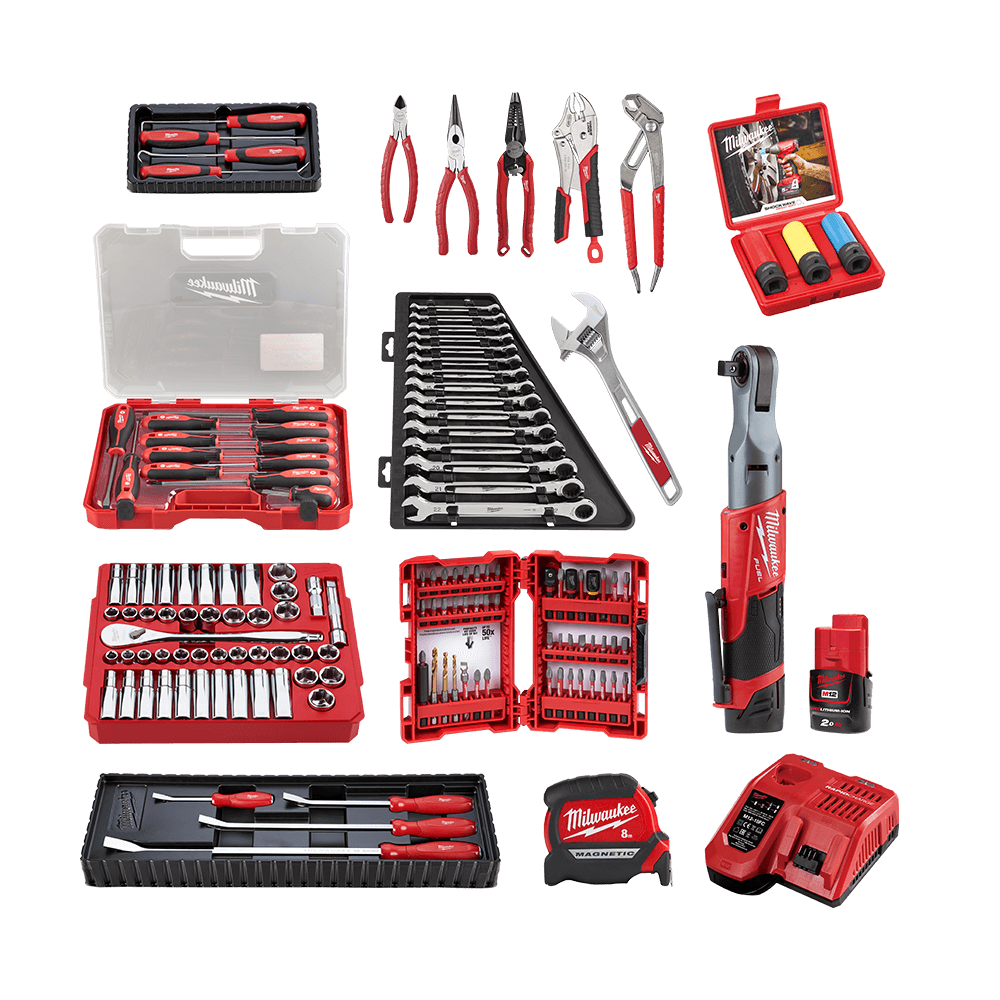
Milwaukee has been enhancing its economic profile through various initiatives aimed at attracting new industries and investments. The tech industry is one of the fastest-growing sectors, with numerous startups sprouting up in the Third Ward, a district known for its artsy vibe and entrepreneurial spirit. Notable companies such as Milwaukee Tool are expanding their operations, further establishing the city as a manufacturing and engineering hub.
In addition to business growth, the city’s cultural revitalization is commendable. Recently, Milwaukee has invested in upgrading its infrastructure, public spaces, and cultural institutions. The Milwaukee Art Museum has seen an uptick in visitors, thanks to new exhibitions and community events that showcase local talent. The city hosts a variety of music and arts festivals, such as Summerfest, which attracts over 800,000 attendees annually, celebrating its vibrant artistic community.
Challenges and Future Outlook
Despite its growth, Milwaukee faces challenges common to urban areas, including socioeconomic disparities and infrastructure needs. The city is actively addressing these issues by implementing workforce development programs aimed at equipping residents with the skills needed in the evolving job market. Sustainable initiatives, such as the Milwaukee Riverwalk project and various green building developments, aim to improve living conditions while promoting environmental responsibility.
Looking ahead, Milwaukee is set to continue its trend of expansion and investment. With a focus on innovation, community development, and cultural strength, the city is likely to emerge as a key player in the Midwest. As more businesses discover the city’s potential, Milwaukee’s position as a center of growth and creativity is sure to solidify.
Conclusion
Milwaukee’s ongoing transformation into a vibrant hub of culture and industry reflects the resilience and ambition of its residents. For potential investors, entrepreneurs, and visitors, the city offers a wealth of opportunities and experiences. As Milwaukee continues to develop and redefine itself, monitoring its progress and growth will prove significant for those looking to understand the changing landscape of American urban centers.