How it unfolded
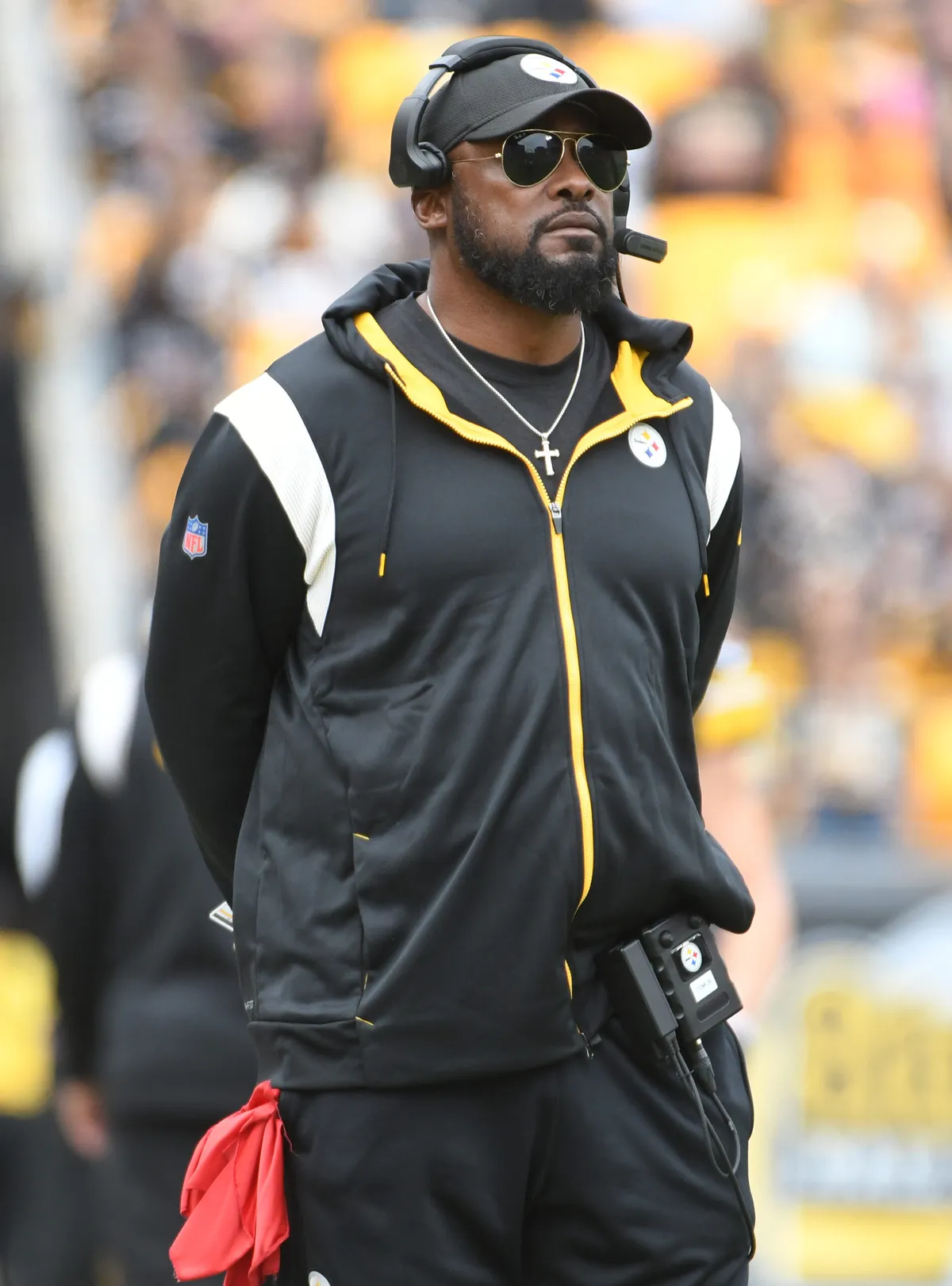
Mike Tomlin’s tenure as head coach of the Pittsburgh Steelers officially came to an end in January 2026, concluding a remarkable 19-year journey that began when he was hired at the age of 34. Over nearly two decades, Tomlin established himself as a prominent figure in the NFL, leading the Steelers through numerous highs and lows.
Throughout his time with the team, Tomlin never experienced a losing season, a testament to his consistent leadership and ability to adapt to the evolving dynamics of professional football. His playoff record stands at 8 wins and 12 losses, a statistic that reflects both the successes and challenges faced during his coaching career. Notably, the Steelers last celebrated a Super Bowl championship 17 years ago, a period that included the famed ‘Killer B’s’ era, featuring key players such as Ben Roethlisberger, Le’Veon Bell, and Antonio Brown.
One of the most significant moments in Tomlin’s coaching career came in 2017 when the Steelers faced the Jacksonville Jaguars in the AFC Divisional Round. The loss in that game is often viewed as one of the biggest failures of his tenure, with many, including former players, expressing that the team should have reached at least one Super Bowl during that era. Kameron Canaday, a former player, remarked, “We should have been to at least one Super Bowl,” highlighting the expectations that surrounded the team.
As Tomlin turned 54 on March 15, 2026, the Steelers organization took to social media to wish him a happy birthday, an act that received mixed reactions from fans. Some viewed the gesture as a respectful acknowledgment of his contributions, while others found it unusual to celebrate the birthday of a former coach. Comments ranged from light-hearted quips about social media scheduling to more critical views on the appropriateness of the post, with one user stating, “Wishing your ex a happy birthday is weird.”
Despite the mixed feelings surrounding his departure, Tomlin’s exit from the Steelers was amicable, with both sides expressing a desire to part ways without burning bridges. This amicable conclusion reflects the respect that Tomlin garnered during his lengthy career with the team, despite the challenges faced, particularly in the playoffs.
As the Steelers move forward without Tomlin, they will undoubtedly reflect on the legacy he leaves behind. His ability to maintain a winning culture and his knack for developing talent will be remembered as key components of his coaching philosophy. The team now faces the challenge of finding a successor who can continue the tradition of excellence that Tomlin established.
In the wake of Tomlin’s departure, the Steelers organization and its fans are left to ponder the future. The transition period will be critical as they seek to build on the foundation laid during his 19 seasons. The impact of Tomlin’s leadership will resonate for years to come, shaping the identity of the franchise as they navigate the next chapter in their history.