Introduction
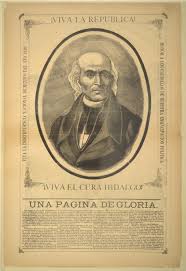
Miguel Hidalgo y Costilla, a prominent historical figure, holds a significant place in Mexican history as the initiator of the Mexican War of Independence. His actions in 1810, calling for an uprising against Spanish rule, ignited a movement that would ultimately lead to the creation of an independent Mexico. Understanding Hidalgo’s role is crucial not only for appreciating Mexico’s past but also for recognizing the ongoing celebrations of national identity and independence within the country.
Historical Context and Early Life
Born on May 8, 1753, in Pénjamo, Guanajuato, Hidalgo was the son of a wealthy Creole family. He became a priest, which provided him with both education and social influence. However, he grew increasingly disillusioned with the oppressive Spanish colonial system, particularly the social, racial, and economic discrepancies faced by indigenous people and mestizos.
The Call to Arms
On the night of September 15, 1810, Hidalgo delivered a passionate speech in the small town of Dolores, now Dolores Hidalgo, where he urged the locals to rise against the oppressors. This speech, known as the “Grito de Dolores,” is often viewed as the formal start of the Mexican War of Independence. Hidalgo led a rebellion that initially saw significant success, as he rallied a diverse army of indigenous people and mestizos to challenge Spanish authority.
The Fight for Independence
Hidalgo’s forces captured several key cities, including Guanajuato and Guadalajara, but faced challenges due to a lack of military organization and resources. By early 1811, the tide began to turn against Hidalgo. He was captured and executed by the Spanish on July 30, 1811. Despite his death, Hidalgo’s vision and sacrifice laid the groundwork for continued resistance, and several leaders eventually took up the cause he started, leading to independence in 1821.
Legacy and Significance
Today, Miguel Hidalgo is celebrated as a national hero in Mexico. His legacy is honored every year on September 16, which is marked as Mexico’s Independence Day. In towns and cities across the country, Mexicans gather for parades, fireworks, and the reenactment of the Grito de Dolores to commemorate Hidalgo’s pivotal role. His life’s work also prompted discussions about social justice, equality, and national identity that continue to resonate in contemporary Mexico.
Conclusion
Miguel Hidalgo’s courage and leadership not only initiated the fight for Mexican independence but also sparked a broader discourse on human rights and equality. As Mexico navigates its modern identity, the principles Hidalgo fought for remind citizens of the values of freedom and justice that continue to shape their nation. Understanding Hidalgo’s story is vital for every Mexican citizen and offers insights into the ongoing journey for social progress and unity.