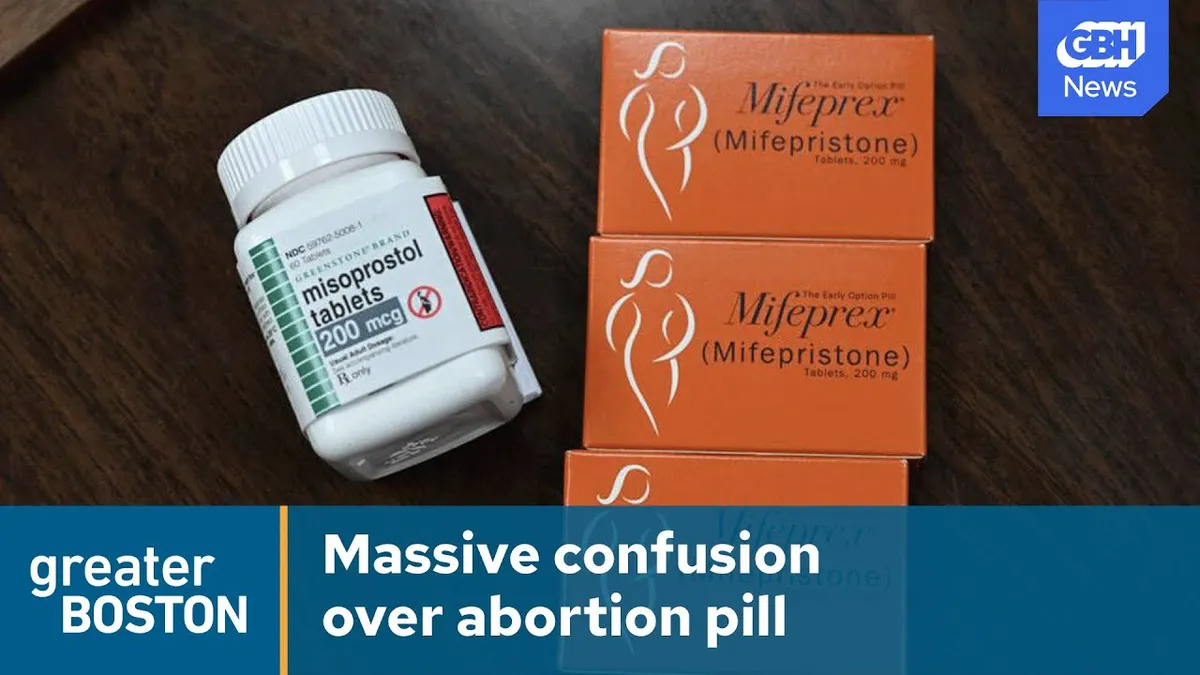
A federal appeals court ruling has significantly restricted access to mifepristone by blocking its mailing, impacting abortion services across the U.S. The decision from the 5th U.S. Circuit Court of Appeals mandates that prescriptions for this medication be distributed only in-person at clinics, which could have profound implications for patients seeking medical abortions.
The court’s ruling follows a series of events that have shaped the landscape of abortion access in the United States. Notably, mifepristone was approved in 2000 as a safe and effective way to end early pregnancies, and it has since become involved in most abortions conducted nationwide. In April 2021, during the Covid-19 pandemic, the FDA temporarily lifted the in-person dispensing requirement for mifepristone, later making this change permanent in 2023, thus allowing it to be sent by mail.
However, with the recent ruling, patients may find themselves facing significant obstacles. According to sources, about 1 in 4 abortions nationally are now prescribed via telehealth, which could be severely impacted by this decision. Julia Kaye remarked that this ruling is likely to affect patients’ access to both abortion and miscarriage care in every state in the nation.
The implications of this ruling extend beyond individual patient experiences; they also intersect with ongoing legal battles surrounding Louisiana’s strict abortion laws. Judge Kyle Duncan noted that every abortion facilitated by FDA’s action undermines Louisiana’s policy that considers every unborn child a legal person from the moment of conception.
As the situation continues to evolve, Danco Laboratories has requested a one-week delay on the stay imposed by the court to allow for an appeal to the U.S. Supreme Court. The conservative-majority Supreme Court had previously overturned Roe v. Wade in 2022 but preserved access to mifepristone in a subsequent ruling in 2024.
Experts indicate that judges have historically deferred to the FDA’s judgments regarding drug safety and regulation—an aspect that may play a crucial role if this case reaches the Supreme Court. The FDA had initially set strict limits on who could prescribe and distribute mifepristone due to rare cases of excessive bleeding but has since adjusted its regulations based on extensive evidence supporting its safety.
In light of these developments, further legal proceedings are expected as stakeholders navigate the complex intersection of healthcare access and regulatory authority.