The recent nomination of Eli Savit as the Democratic candidate for Michigan Attorney General raises significant questions about the future of election integrity in the state. According to documents from the Michigan Democratic Party endorsement convention held in Detroit, Savit was chosen over Karen McDonald, who was also considered for the nomination.
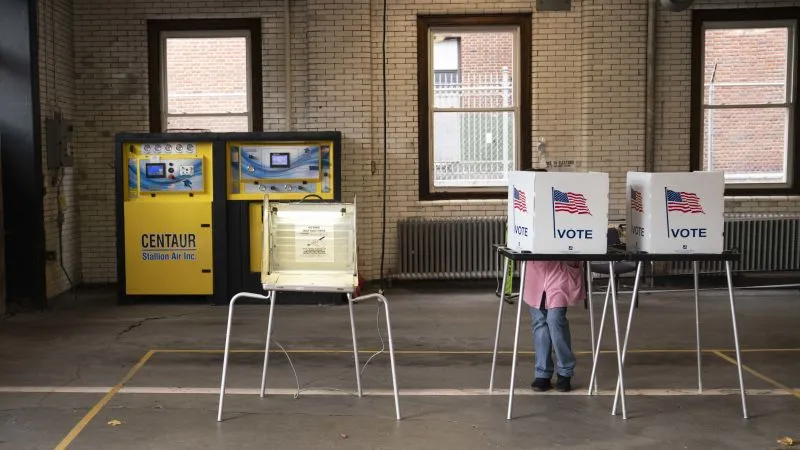
Simultaneously, Doug Lloyd has emerged as the Republican nominee for the same position, indicating a competitive landscape ahead. This development occurs against a backdrop of heightened scrutiny regarding election processes in Michigan, particularly following Dana Nessel’s tenure as the current Attorney General.
Nessel has faced criticism after she rejected a request from the U.S. Justice Department concerning ballots from the 2024 election, which were sought in connection with allegations of voter fraud in Wayne County. In her defense, Nessel characterized claims of widespread voter fraud as “baseless,” asserting that there is no substantial evidence to support such allegations.
Documents show that Nessel emphasized the importance of maintaining free and fair elections, stating, “Free and fair elections are the cornerstone of our democracy.” This assertion underscores her commitment to upholding electoral integrity amidst ongoing debates about fraud.
Moreover, she articulated that “speculative evidence of election fraud does not meet the standard required to compel states to turnover ballots,” highlighting her stance on legal thresholds related to these claims. The implications of this legal framework are significant—especially as both parties gear up for what promises to be a contentious electoral season.
As this situation unfolds, it remains uncertain how these developments will influence voter sentiment and participation in upcoming elections. The contrasting approaches of Savit and Lloyd may further polarize public opinion on election-related issues.
What remains unclear is how voters will respond to these candidates’ positions on election integrity and whether Nessel’s actions will impact her political future. With multiple layers of complexity involved, observers will be closely monitoring how these narratives evolve leading up to the elections.