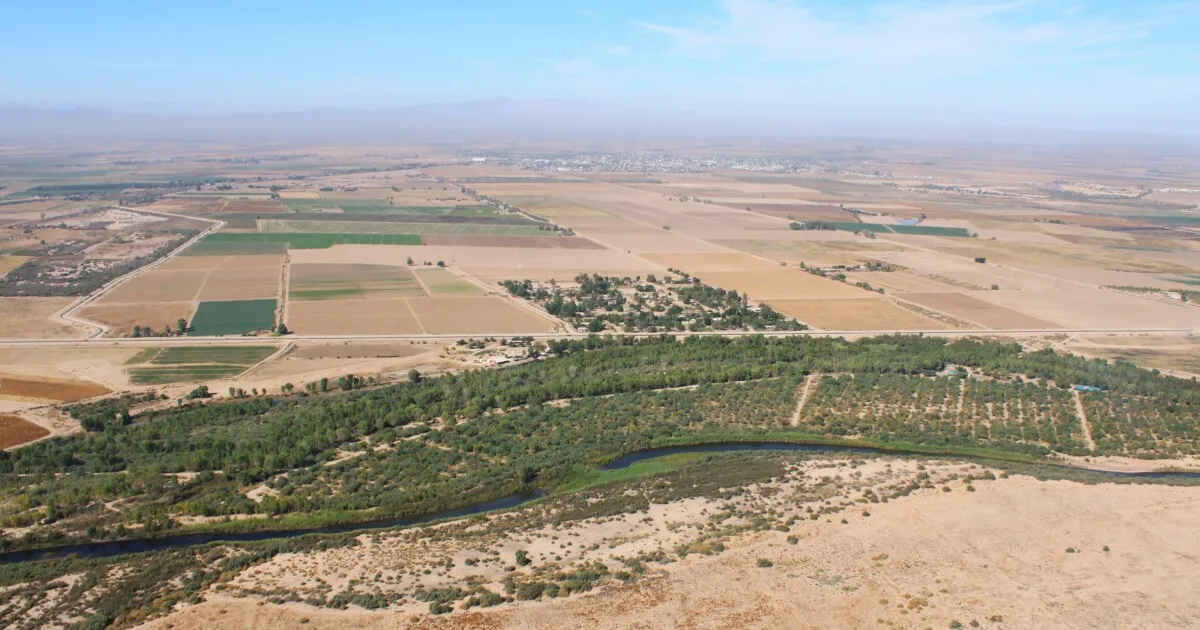
The last time similar talks about water sharing occurred, negotiators from the U.S. and Mexico agreed on binational rules in 2017. However, a new report has emerged calling for a significant change in the way water is shared between the two nations, particularly concerning the Colorado River. Currently, the U.S. is mandated to send a fixed amount of water to Mexico each year, a system that is increasingly viewed as outdated due to ongoing drought conditions and the impacts of climate change.
Eric Kuhn, the lead author of the report, argues that the existing fixed volumes no longer suffice. He states, “Fixed volumes no longer work. A shift to a percentage-based split between the United States and Mexico on the Colorado River, based on the river’s actual natural flow, would provide a solid foundation for the two countries’ joint management of the Colorado in the decades to come.” This proposal aims to create a more flexible and responsive approach to water management in light of changing environmental conditions.
In a separate but equally pressing issue, Mexico is grappling with significant transportation security challenges. A nationwide strike organized by the National Association of Transporters and the National Front for the Rescue of the Mexican Countryside has blocked major highways across the country. Protesters are demanding increased National Guard presence on highways and action against extortion, which has become a rampant issue for freight operators.
In 2025 alone, there were over 6,263 investigations into cargo truck robberies, with estimates suggesting that the actual number of theft incidents could exceed 16,000. The annual losses from cargo theft are staggering, amounting to approximately 7 billion pesos. As one industry expert noted, “Insecurity remains one of the biggest issues facing freight operators in Mexico.”
On a more positive note, the hospitality sector in Mexico is witnessing substantial growth. Wyndham has recently crossed the 100-hotel mark in the country, reflecting a significant expansion in international arrivals. In 2025, Mexico welcomed roughly 47.8 million arrivals, generating nearly $35 billion USD in foreign exchange revenue. Wyndham’s strategy aims to grow international arrivals in Mexico by double digits over the next five years.
Gustavo Viescas, a representative from Wyndham, emphasized the importance of Mexico as a market, stating, “Mexico continues to be an important market for Wyndham and our brands continue delivering the performance owners and strategic partners rely on.” Meanwhile, Maria Carolina Pinheiro added, “As long-term interest continues growing in both established and emerging destinations, we’re continuing to expand alongside owners and partners who recognize Wyndham as the right fit for their next chapter.”
As these developments unfold, observers will be closely monitoring the responses from both the U.S. and Mexican governments regarding the proposed changes to water sharing agreements, as well as the actions taken to address the transportation security crisis. The interplay between these issues will be crucial in shaping Mexico’s economic and environmental future.