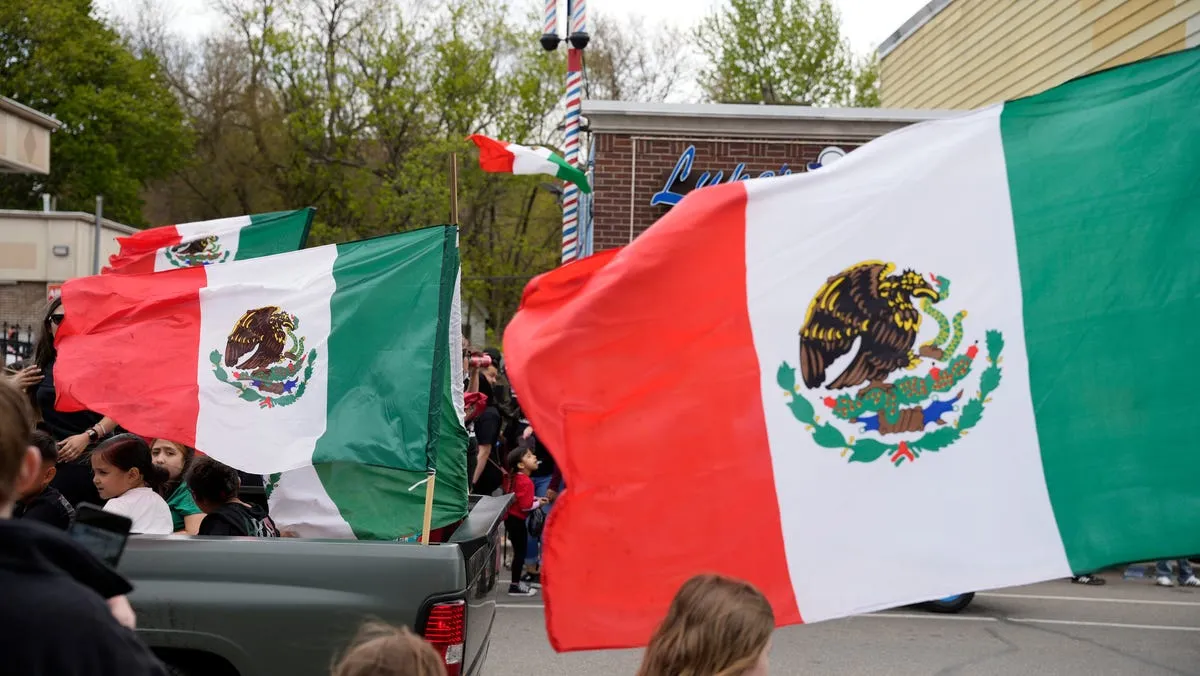
Cinco de Mayo is often mistaken for Mexican Independence Day, but it actually commemorates the May 5, 1862 victory of Mexican forces over French troops at the Battle of Puebla. This military engagement occurred during the Franco-Mexican War and has become a significant date in Mexican-American culture, particularly in the United States.
According to documents, the Mexican army faced a daunting challenge during the Battle of Puebla, being outnumbered with approximately 2,000 troops against about 6,000 French soldiers. Despite this disadvantage, Mexican forces managed to secure a remarkable victory, losing fewer than 100 men while inflicting around 500 casualties on their opponents.
However, it is critical to clarify that Cinco de Mayo is not Mexico’s official Independence Day; that distinction belongs to September 16. The misconception persists largely due to cultural celebrations in the U.S., which began among Mexican American communities in the 1960s. As such, Cinco de Mayo has evolved into a broader celebration of Mexican culture and heritage.
Key facts about Cinco de Mayo:
- Cinco de Mayo marks the victory at the Battle of Puebla in 1862.
- The holiday is not widely celebrated in Mexico; it is primarily recognized in Puebla.
- The battle was not a major strategic win for Mexico within the broader context of the Franco-Mexican War.
Emmanuel Padilla, a cultural commentator, stated that “it is important that we recognize what May 5 actually is… that everyone is informed that there is a difference between Independence Day and May 5… because those two are often confused.” This sentiment reflects an ongoing effort to educate people about the historical significance of both dates.
In light of these distinctions, some individuals have expressed their views on how cultural appropriation manifests during celebrations. Andrea Ruiz remarked on this phenomenon by saying, “I think it’s funny Trump … and all of his supporters want to get Mexicans out, call them criminals, but then on Cinco de Mayo, they want to go and eat tacos and drink tequila.” Such comments underscore the complexities surrounding cultural identity and representation during these celebrations.