How it unfolded
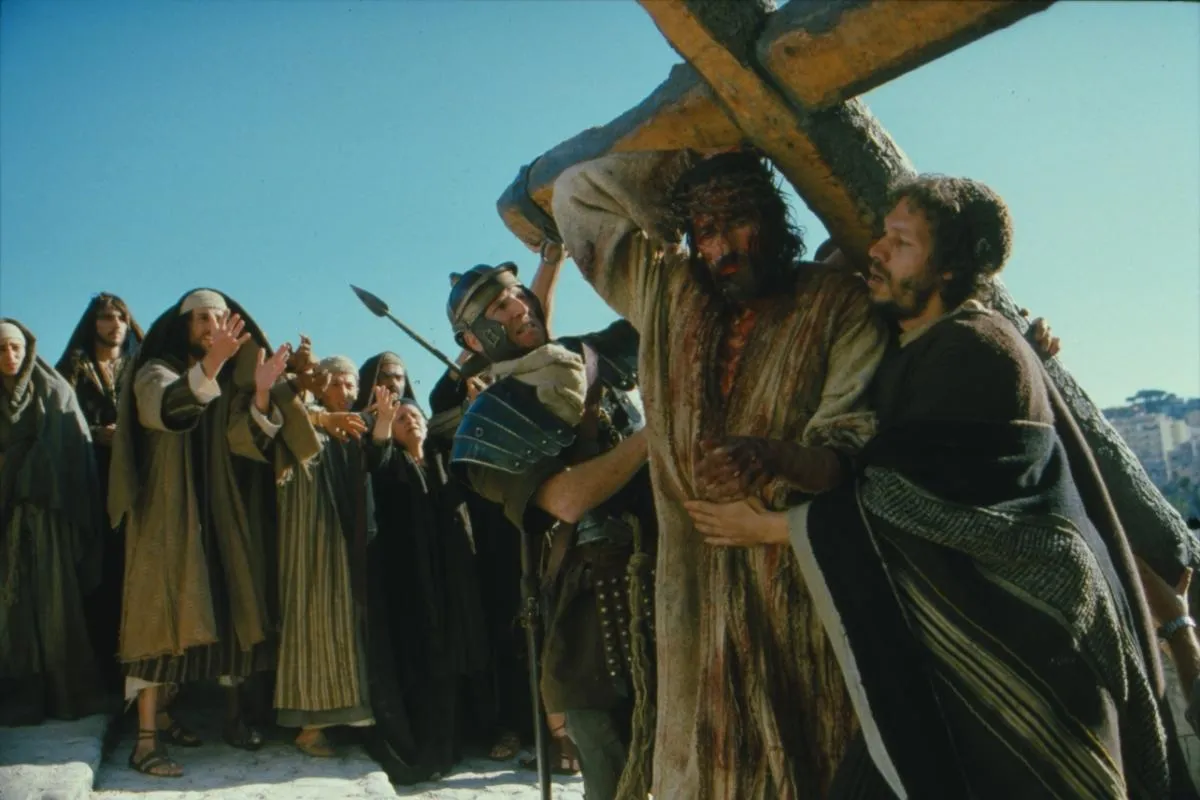
As anticipation builds for Mel Gibson’s next cinematic venture, the film industry is abuzz with news surrounding The Resurrection of the Christ. Following the monumental success of The Passion of the Christ, which was released in 2004 and grossed over $610 million globally, Gibson is returning to the subject matter that has captivated audiences worldwide. This time, however, he plans to split the narrative into two films, with Part One set to hit theaters on March 26, 2027, and Part Two following closely on May 6, 2027.
In a significant shift from the original film, the new installment will feature a fresh cast. Jaakko Ohtonen will portray Jesus, taking over the role from Jim Caviezel, while Mariela Garriga steps in as Mary Magdalene, replacing Monica Bellucci. Additionally, Kasia Smutniak will play Mary, the mother of Jesus, and Riccardo Scamarcio will take on the role of Pontius Pilate. The inclusion of Rupert Everett in an undisclosed role adds an element of intrigue to the project.
The films are being produced with a substantial budget of $100 million, reflecting the high stakes and expectations surrounding them. Principal photography commenced on October 6, 2025, at the renowned Cinecittà Studios in Rome, where both films are being shot simultaneously. This ambitious approach aims to maintain continuity and coherence in storytelling, a technique that has garnered attention in modern filmmaking.
In crafting the screenplay, Gibson and his team are committed to historical authenticity, incorporating Aramaic, Hebrew, and Latin into the dialogue. This dedication to realism is expected to resonate with audiences, particularly those who appreciated the visceral impact of the original film. Adam Fogelson, a prominent figure in the industry, remarked, “For many, many people across the globe, The Resurrection of the Christ is the most anticipated theatrical event in a generation.” Such statements underscore the cultural significance of Gibson’s work.
Reflecting on the themes of sacrifice and redemption, Gibson has previously stated that the violence depicted in his films serves to illustrate the “enormity of that sacrifice” of Christ. This perspective has sparked discussions about the portrayal of religious narratives in cinema, raising questions about the balance between artistic expression and audience sensitivity.
As the release dates draw nearer, the excitement surrounding The Resurrection of the Christ continues to grow. The films are not only a continuation of Gibson’s exploration of faith and spirituality but also a testament to the enduring power of religious storytelling in film. The original The Passion of the Christ opened to an impressive $83 million during its opening weekend, setting a high bar for its successors.
With only 40 days between the releases of Part One and Part Two, audiences will be treated to a rapid unfolding of the narrative, a strategy that could enhance viewer engagement and discussion. As the film industry evolves, Gibson’s approach to storytelling remains a focal point of interest, especially given the historical context of his previous works.
As it stands, the film’s release is poised to reignite conversations about faith, sacrifice, and the cinematic portrayal of religious figures. The anticipation is palpable, and for many, the upcoming films represent not just a return to a beloved story but also a significant moment in the landscape of modern cinema. Details remain unconfirmed regarding additional cast members or plot specifics, but the foundation has been laid for what could be a landmark event in film history.