The Importance of Addressing Measles
Measles, a highly contagious viral infection, has re-emerged as a pressing public health concern worldwide. Despite being nearly eradicated in many regions due to effective vaccination programs, recent data indicates a troubling resurgence in cases, highlighting the need for increased awareness and vaccination efforts. Health officials believe that understanding the factors behind this trend is essential for mitigating outbreaks and protecting communities.
Current Statistics and Outbreaks
According to the World Health Organization (WHO), global measles cases more than doubled from 2018 to 2019, and the trend continued into 2020 and beyond, with significant outbreaks reported in several countries, including the United States, Europe, and parts of Africa and Asia. In the U.S. alone, the Centers for Disease Control and Prevention (CDC) reported over 120 cases in 2023 alone, primarily among unvaccinated populations. The resurgence is attributed to various factors, including vaccine hesitancy fueled by misinformation, global travel, and gaps in vaccination coverage.
Consequences of Measles Outbreaks
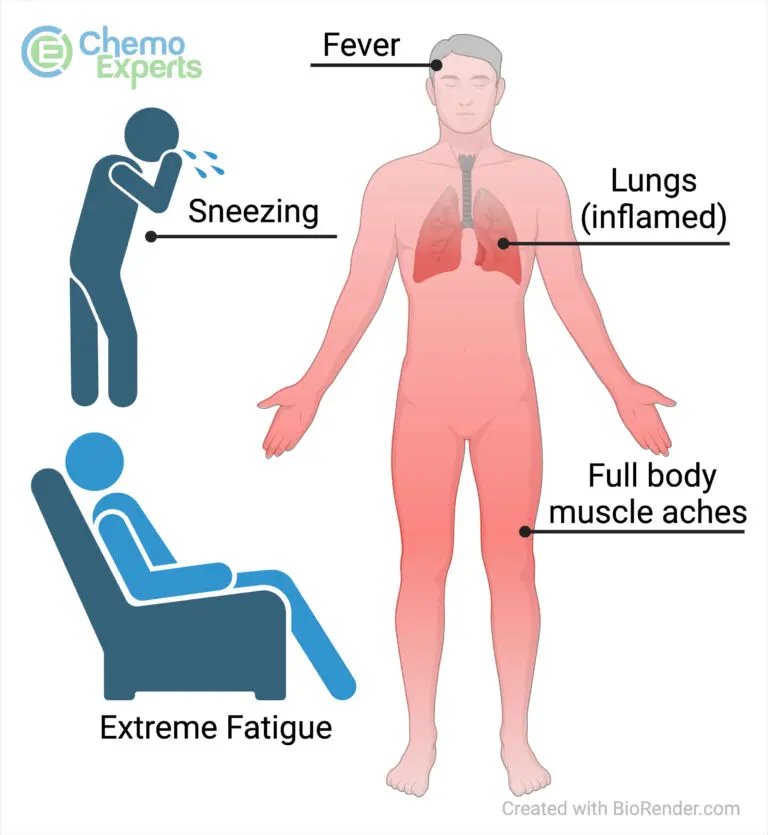
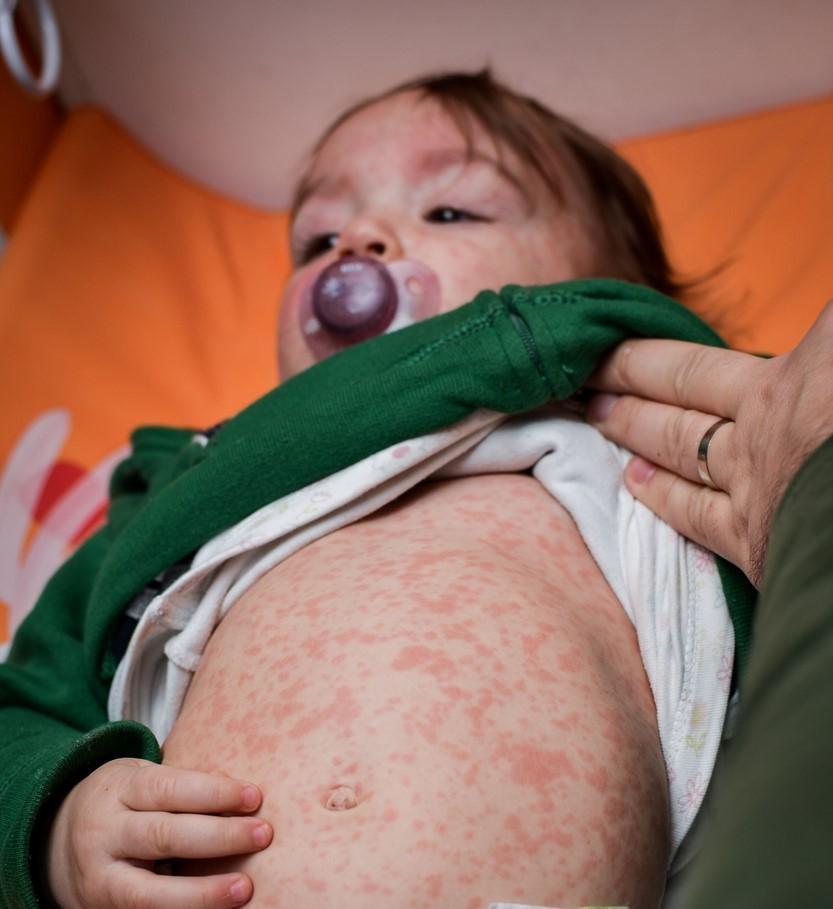
Measles is not just a mild illness; it can lead to severe complications, especially in young children and immunocompromised individuals. Complications can include pneumonia, encephalitis, and even death. The illness spreads through respiratory droplets and is so contagious that approximately 90% of people without immunity will contract it if exposed. This high transmission rate underscores the critical importance of vaccination in preventing outbreaks.
Vaccination Efforts and Public Health Initiatives
To combat the resurgence of measles, health organizations are focusing on increasing vaccination rates. The MMR (measles, mumps, rubella) vaccine is highly effective, with two doses providing about 97% immunity against the disease. Public health campaigns are being launched to educate communities about the benefits of vaccination and the risks associated with measles. In 2022, several initiatives led to increased vaccination clinics in underserved areas, and partnerships with local schools and organizations are ongoing to ensure accessible information and resources.
Conclusion: The Path Forward
Addressing the resurgence of measles requires a concerted effort from governments, health organizations, and the public. With ongoing vaccination campaigns and educational initiatives, there is hope for reversing the trend of rising cases. Ensuring high vaccination coverage is crucial for achieving herd immunity and protecting vulnerable populations. As the world continues to navigate health challenges, the fight against measles highlights the importance of science-based public health policies and community engagement in vaccination efforts.