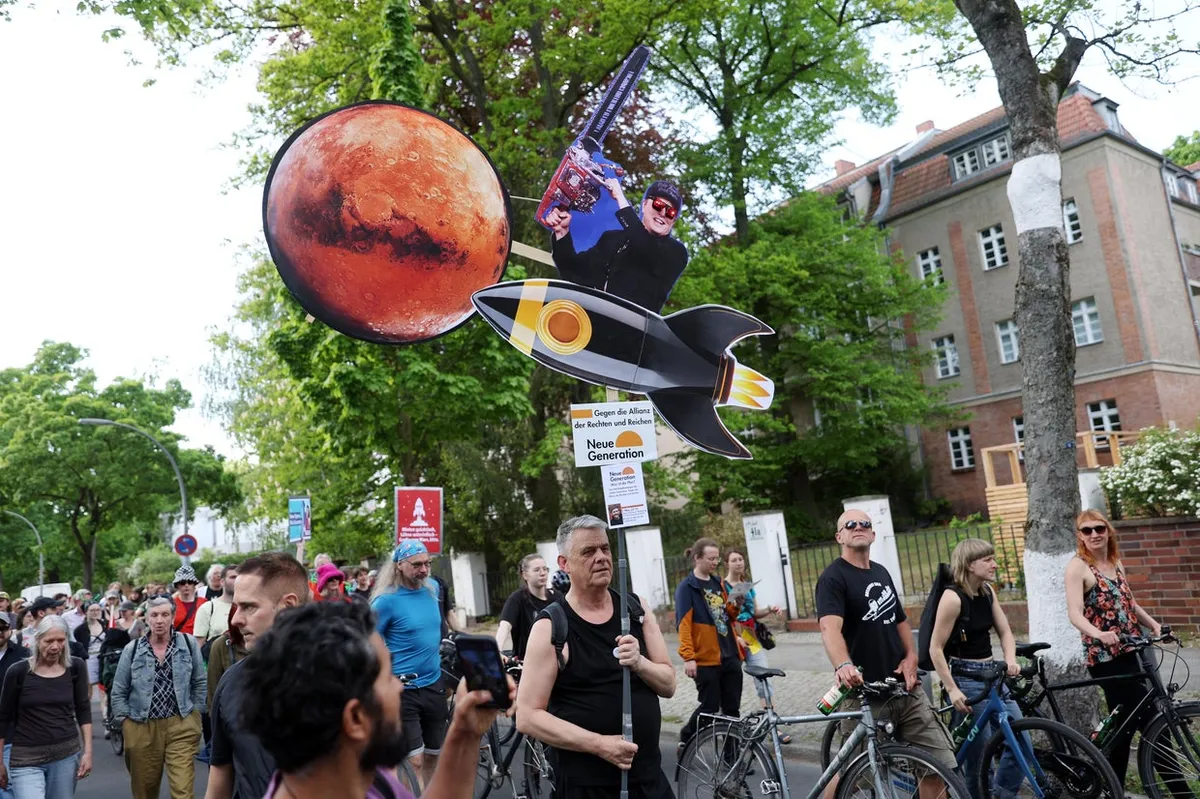
Thousands are expected to join an economic blackout for International Workers’ Day on May 1, 2026, demanding ‘no school, no work, no shopping’ across the United States. This year’s protests will take place in various locations, including 35 events scheduled in Michigan alone.
May Day, or International Workers’ Day, traces back more than a century to a pivotal period in U.S. labor history. Activists are rallying around issues such as rising living costs linked to the Iran war and advocating for workers’ rights in a time of economic uncertainty. The May Day Strong coalition includes labor unions and immigrant rights groups, emphasizing solidarity among diverse communities.
Key facts about the upcoming protests:
- Protests are planned across the United States with a total of approximately 3,500 events organized nationwide.
- Teachers’ unions in North Carolina have given teachers the day off to join protests.
- Nurses at University Medical Center New Orleans have announced a five-day strike for a fair contract.
Initial statements from key figures highlight the urgency of these demonstrations. The European Trade Union Confederation stated, “Working people refuse to pay the price for Donald Trump’s war in the Middle East.” Additionally, Leah Greenberg of Indivisible remarked that participants should take steps to exert their power as workers and students.
The focus of May Day protests in the U.S. has shifted significantly since 2006, particularly towards immigration policies and rights. In France, unions are advocating for ‘bread, peace and freedom’ during similar May Day demonstrations, showcasing a global resonance with labor movements.
As observers anticipate these events, Stacy Davis Gates, president of the Chicago Teachers Union, emphasized their accountability to young people and families served by educators. While no specific timeline has been shared regarding potential outcomes from these protests, they are expected to draw significant attention both locally and nationally.