Introduction
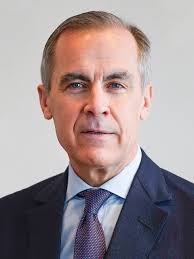
Mark Carney has emerged as a pivotal figure in the world of finance, particularly in discussions surrounding monetary policy and climate change. His role as the former Governor of the Bank of England and the current UN Special Envoy on Climate Action and Finance highlights the intersection of economics and environmental responsibility. As the global economy grapples with the challenges posed by climate change, Carney’s insights into sustainable finance are becoming increasingly important.
Current Events and Initiatives
Recently, Carney has been vocal about the necessity for financial institutions to integrate climate risk into their operations. He has emphasized that the survival of the financial system is intertwined with the health of the planet, advocating for a transition towards a net-zero economy. At the 2023 UN Climate Change Conference (COP28) held in Dubai, Carney addressed world leaders, stressing the urgent need for investments in sustainable projects. He highlighted that $3 trillion annually is needed to fund global climate initiatives, underscoring the role of banks and investors in this transition.
Under Carney’s leadership, the Glasgow Financial Alliance for Net Zero (GFANZ) has mobilized over 450 financial institutions committed to transitioning their portfolios to align with global climate goals. This coalition represents more than $130 trillion in assets and is a testament to Carney’s ability to drive collective action in the finance sector.
Challenges and Criticism
Despite his influence, Carney has faced criticism regarding the pace of change among the financial institutions. Critics argue that many banks and investment firms continue to fund fossil fuel projects, undermining the global shift towards sustainability. Carney counters these criticisms by pointing to the growing momentum in sustainable finance and the increasing awareness of climate risks among investors.
Conclusion
Mark Carney’s role in shaping financial policy and promoting climate sustainability cannot be understated. His contributions to global discussions on finance and climate action set standards for the industry moving forward. As nations prepare for future climate challenges and aim for sustainable economic growth, Carney’s influence will likely continue to resonate. Predictions indicate that as more financial leaders recognize the importance of addressing climate risks, we may see a significant shift in investment patterns, ultimately leading to a more sustainable and resilient global economy. Readers should pay attention to Carney’s ongoing work, as it is pivotal in determining how the world approaches both finance and environmental responsibility in the coming years.